
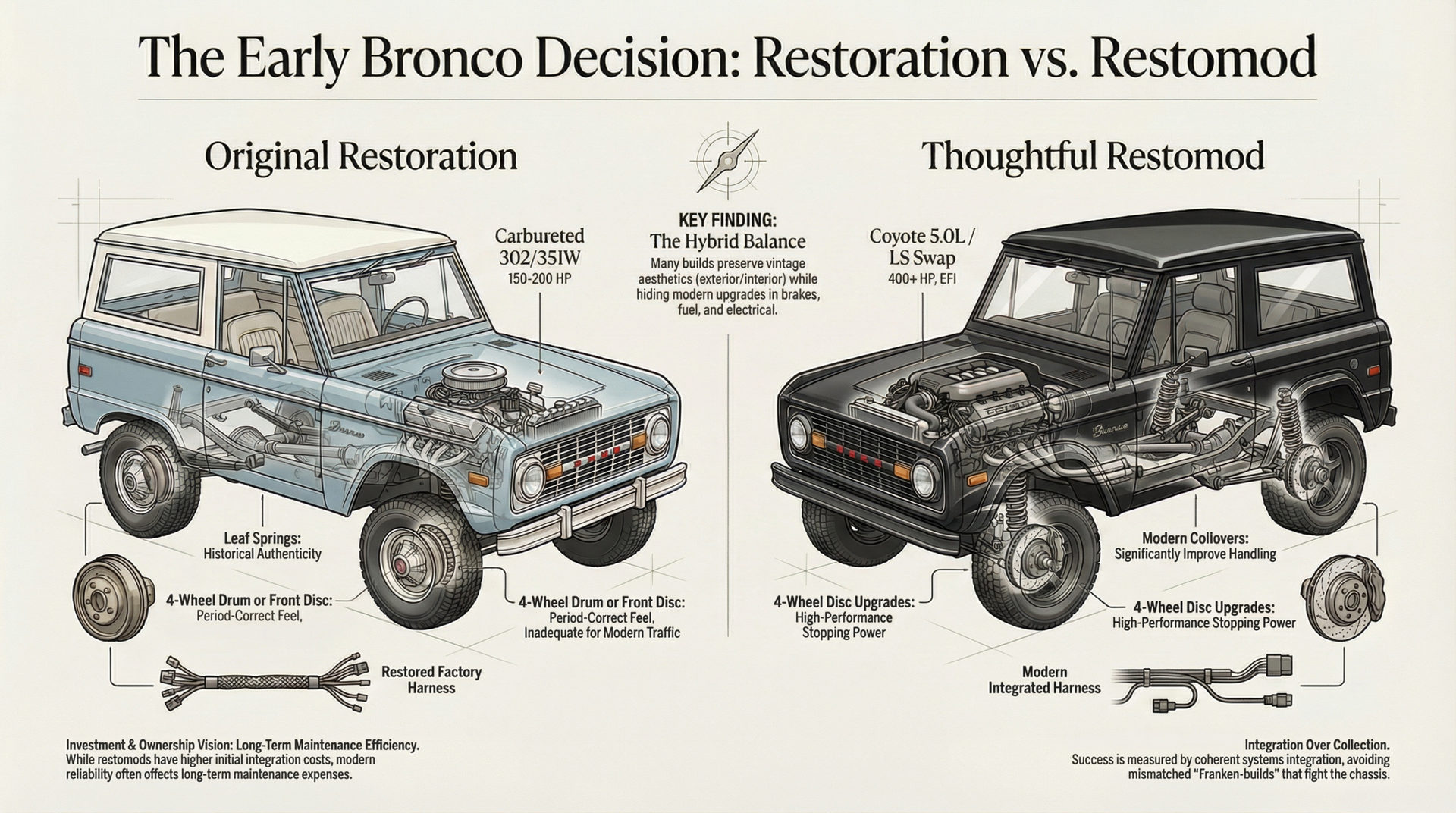
Restomod vs Restoration: Which Path Is Right for Your Early Bronco Build?
The decision between restoring an Early Bronco to original specifications or building a restomod is one of the first and most consequential choices you’ll make
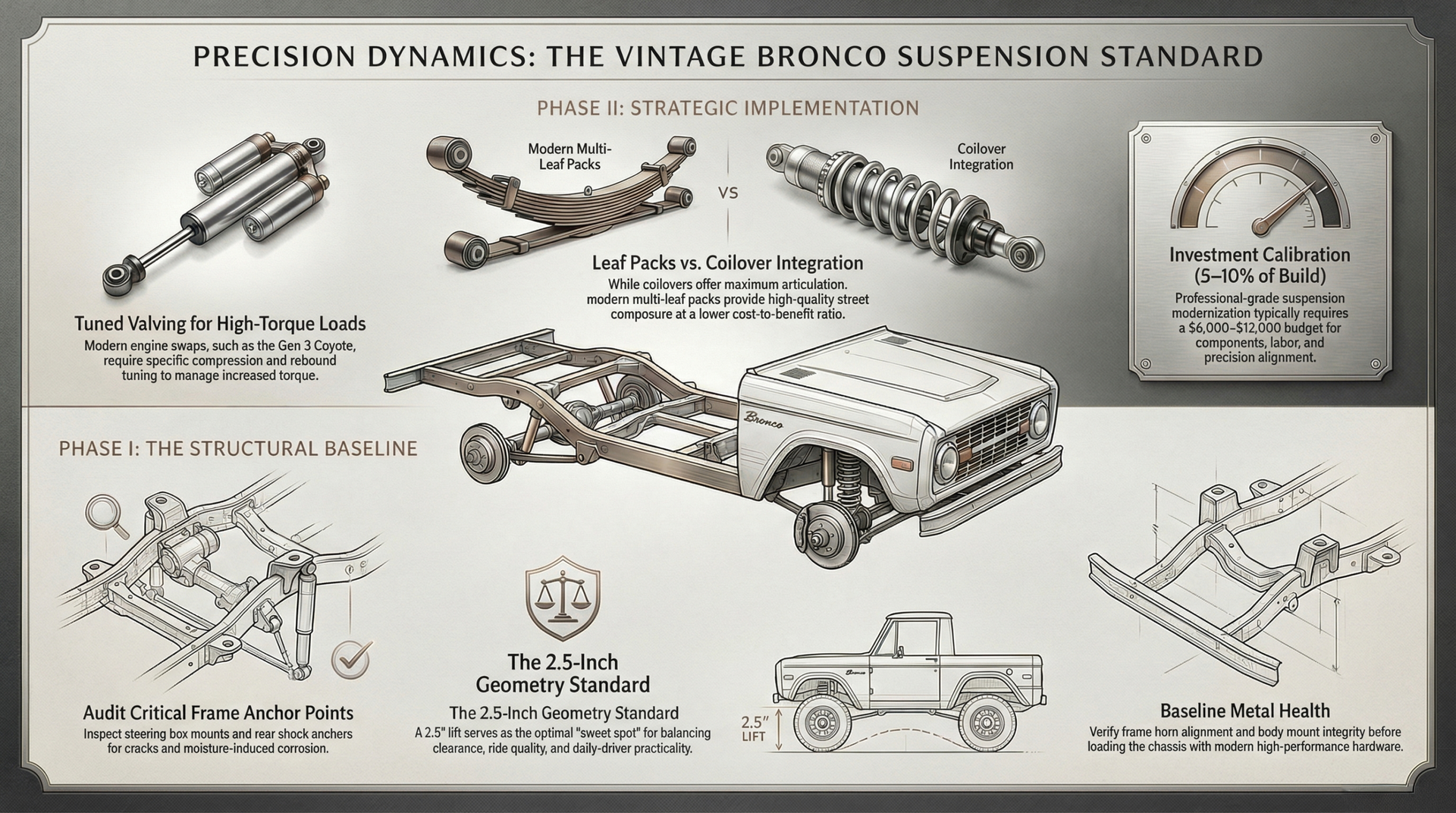
Early Bronco Suspension Standards for Daily Drivers
The first-generation Ford Bronco was built for utility, but the early Bronco suspension components from 1966–1977 were never designed for freeway miles, SoCal canyon curves,
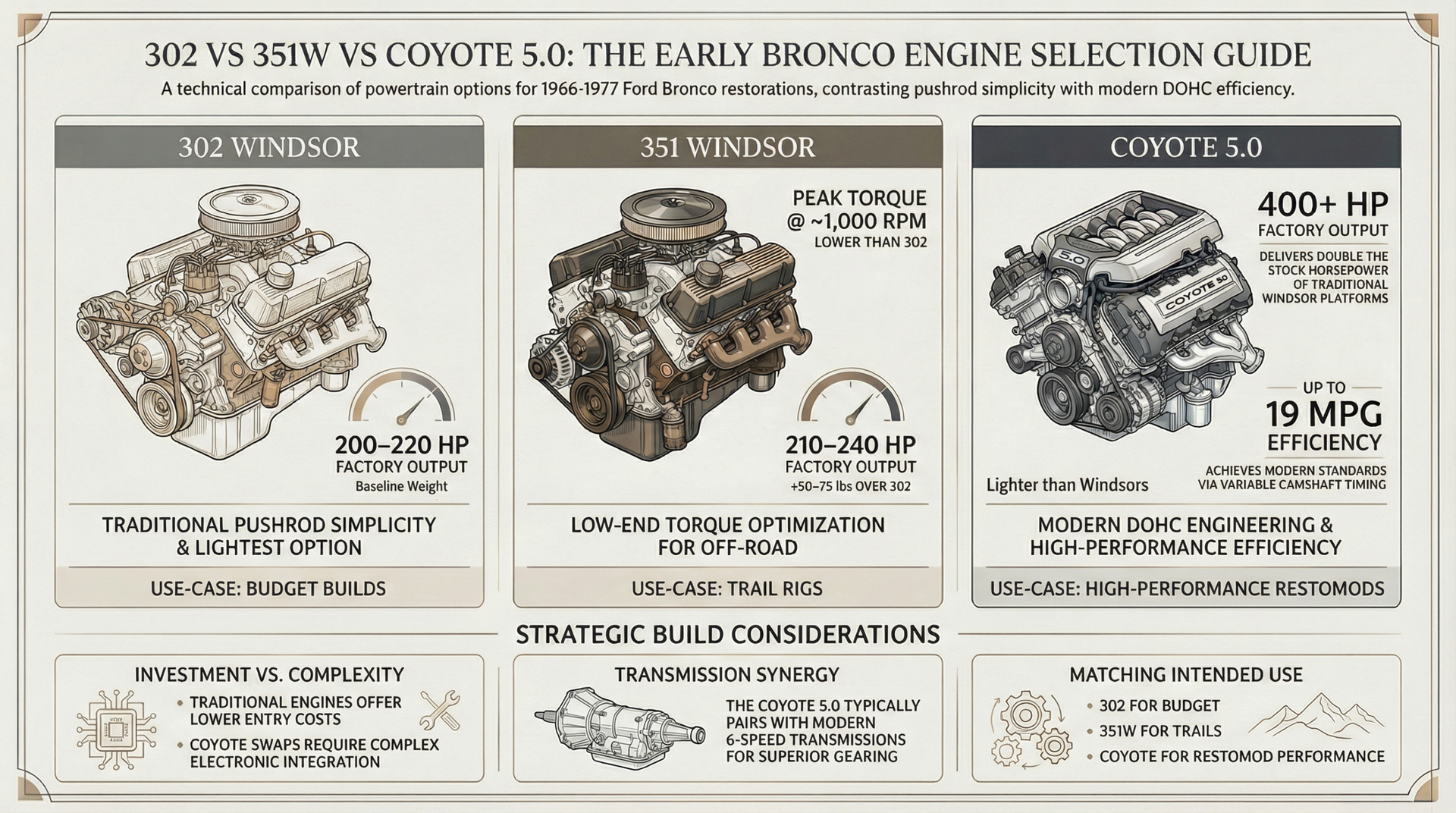
302 vs 351W vs Coyote 5.0: Choosing the Right Engine for Your Early Bronco
The engine sitting between your Early Bronco’s frame rails defines more than horsepower—it dictates how the truck drives, feels, and serves you. Three engines dominate
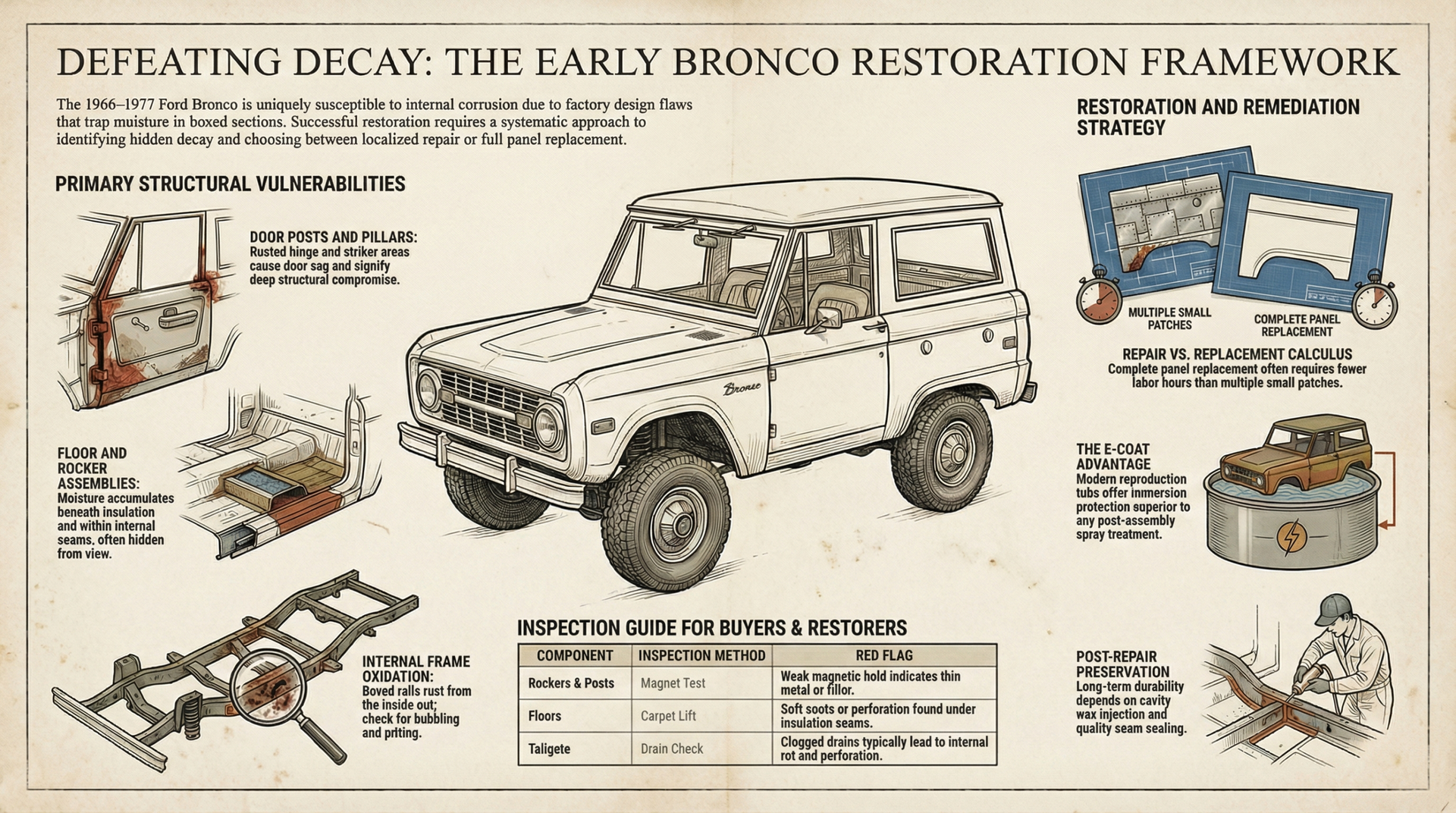
Early Bronco Rust Repair: Realities and Standards for Floors, Rockers, and Door Posts (1966–1977)
Rust is the single greatest threat to any 1966–1977 Ford Bronco. These vehicles spent decades exposed to moisture, road salt, and off-road elements, making rust
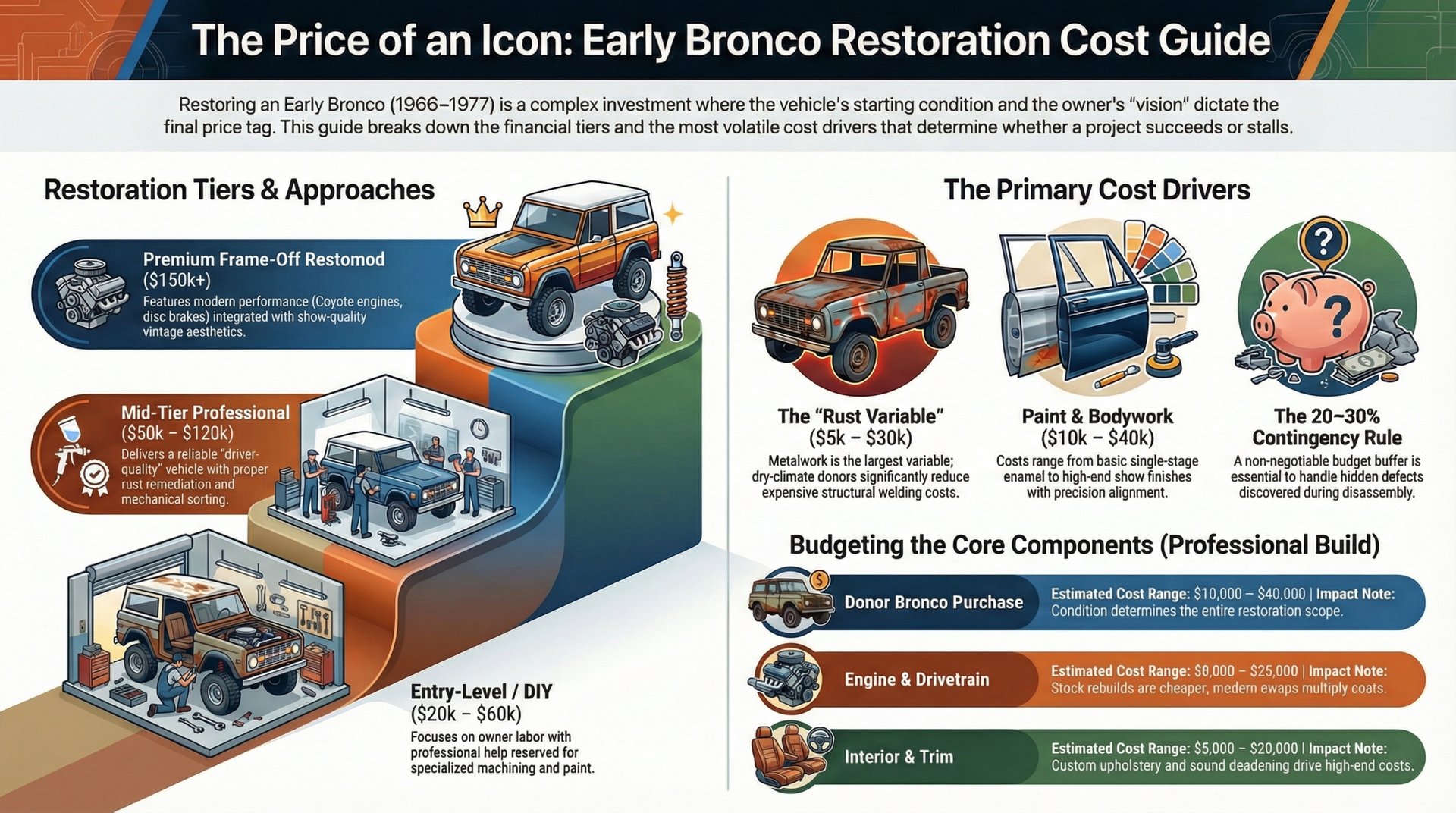
How Much Does It Really Cost to Restore an Early Bronco?
Restoring a 1966–1977 Early Bronco is a commitment that blends passion, craftsmanship, and careful planning. These iconic 4x4s represent a golden era of American off-road
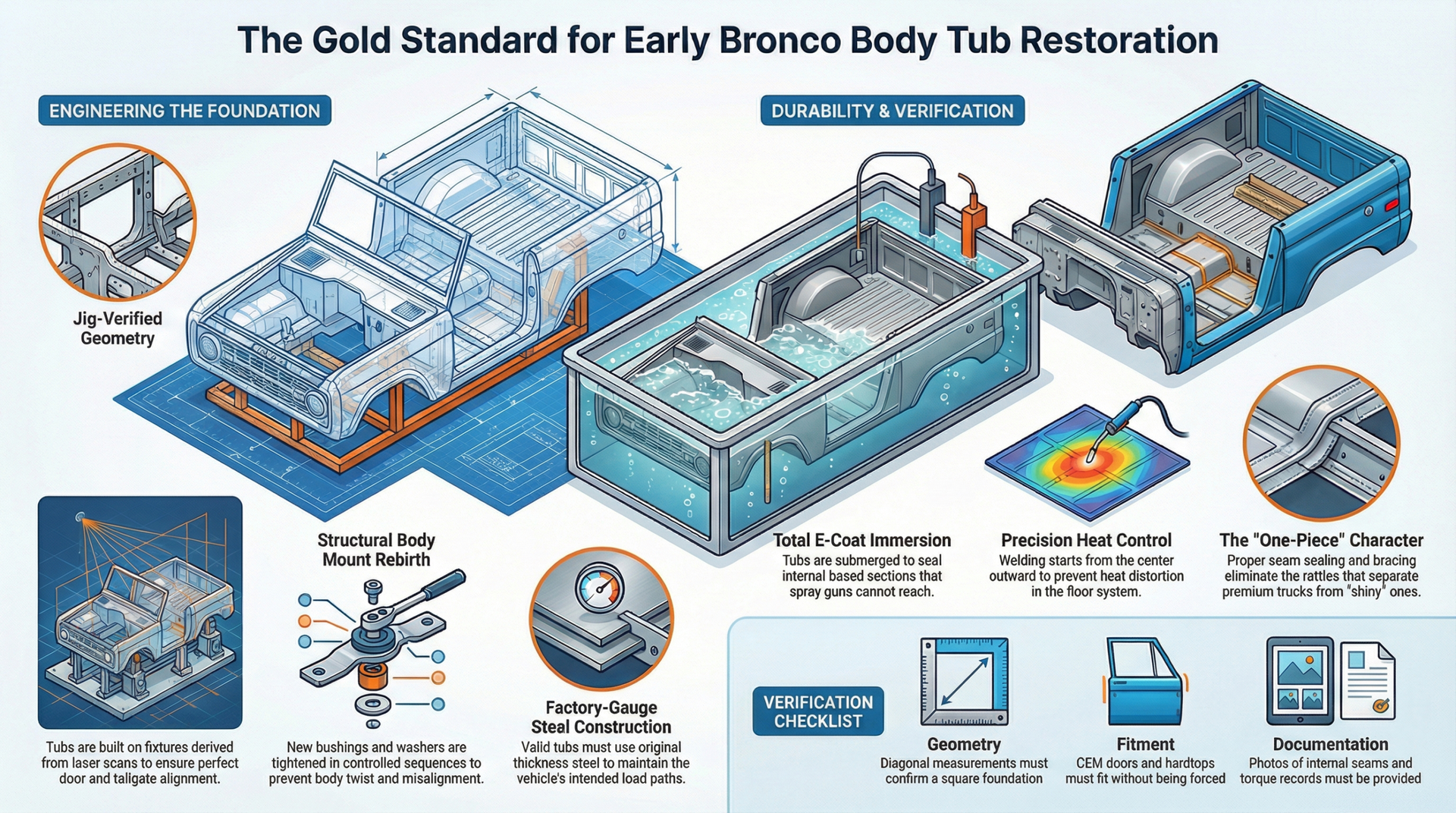
Early Bronco Body Tub Standards: Floor, Mount, and Alignment Foundations
Premium class starts with the tub This is where early bronco body tub standards either become a defining advantage—or a quiet liability you discover later.