
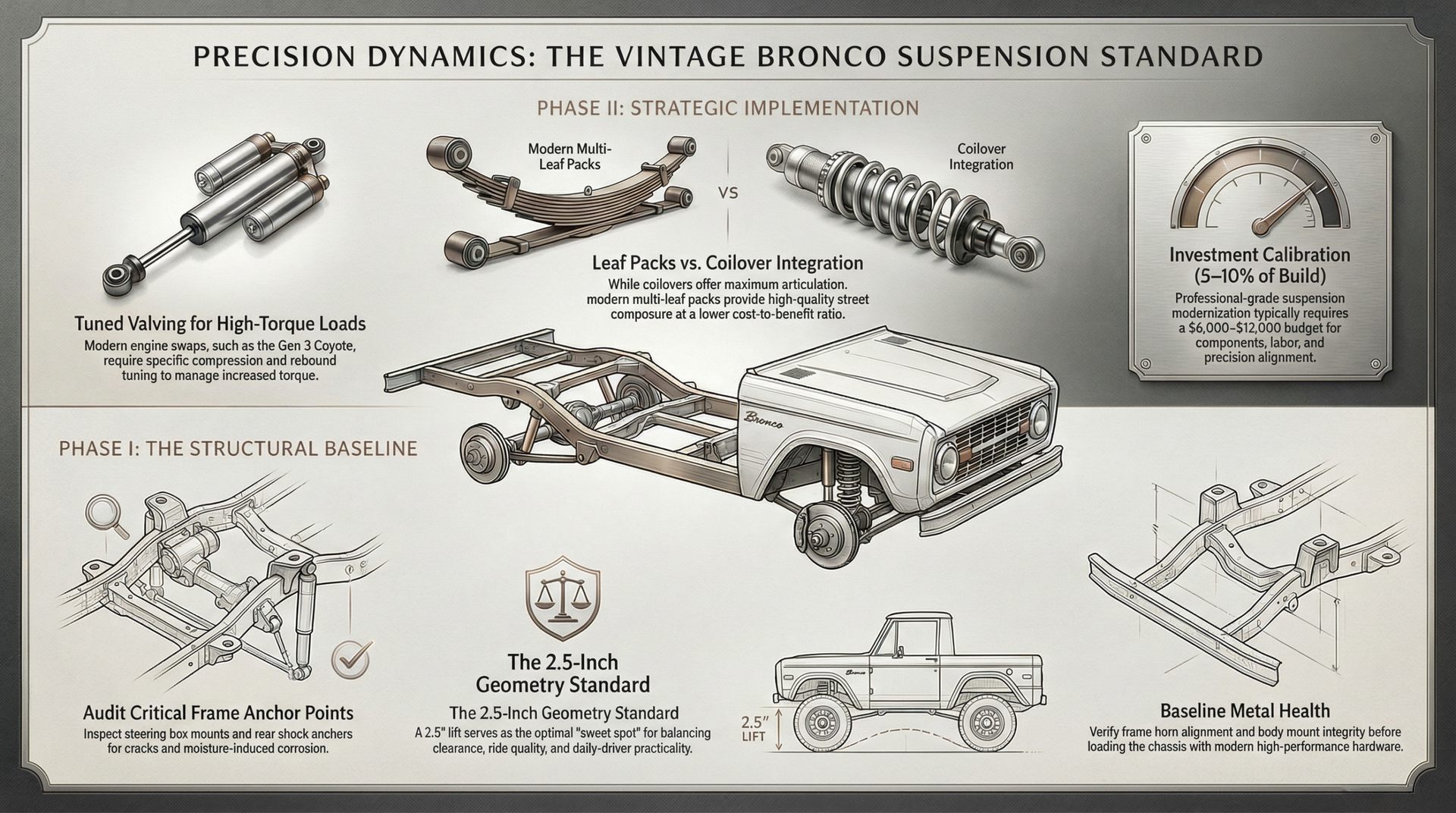
Early Bronco Suspension Standards for Daily Drivers
The first-generation Ford Bronco was built for utility, but the early Bronco suspension components from 1966–1977 were never designed for freeway miles, SoCal canyon curves, or modern braking demands. Most original coils, leaves, and shocks survive only as tired hardware that transmits corrugation, brake dive, and body roll straight through the cabin. The good news is that replacement components, valved shocks, and updated geometry can give you a confident, premium ride without turning the truck into a caricature. That’s why the right early Bronco suspension strategy matters before you drop cash on wheels, seats, or a powertrain. By focusing on fit-on
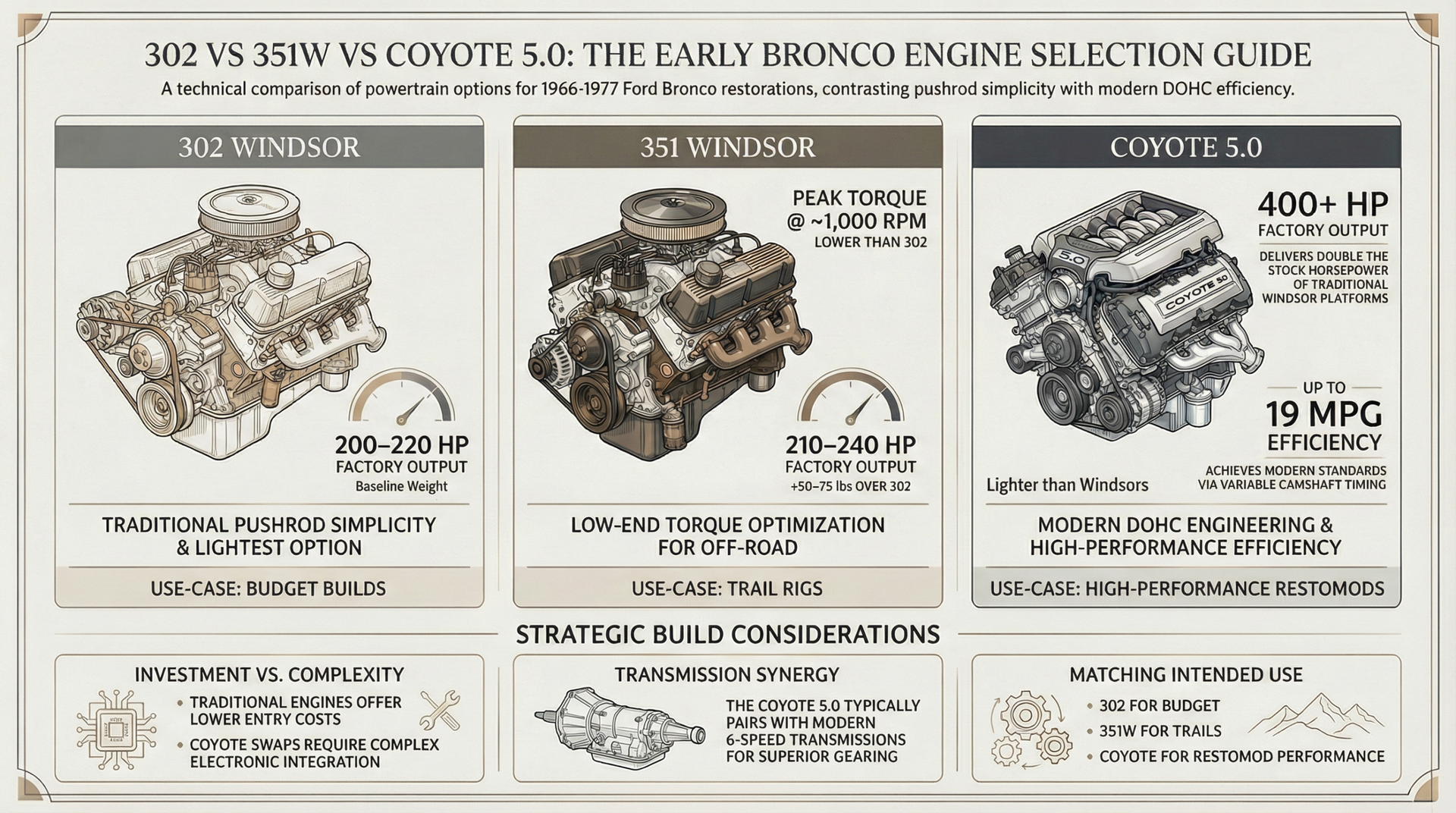
302 vs 351W vs Coyote 5.0: Choosing the Right Engine for Your Early Bronco
The engine sitting between your Early Bronco’s frame rails defines more than horsepower—it dictates how the truck drives, feels, and serves you. Three engines dominate the conversation: the classic 302 Windsor, the 351 Windsor, and the modern Coyote 5.0. Each represents a different approach to power, offering distinct advantages depending on your goals. Choosing between them isn’t about displacement or era alone. It’s about matching your engine to how you’ll actually use the truck: street driving, weekend trails, serious off-road adventures, or a high-performance restomod that bridges classic style with modern capability. Understanding the Engine Options: 302 vs 351W vs Coyote
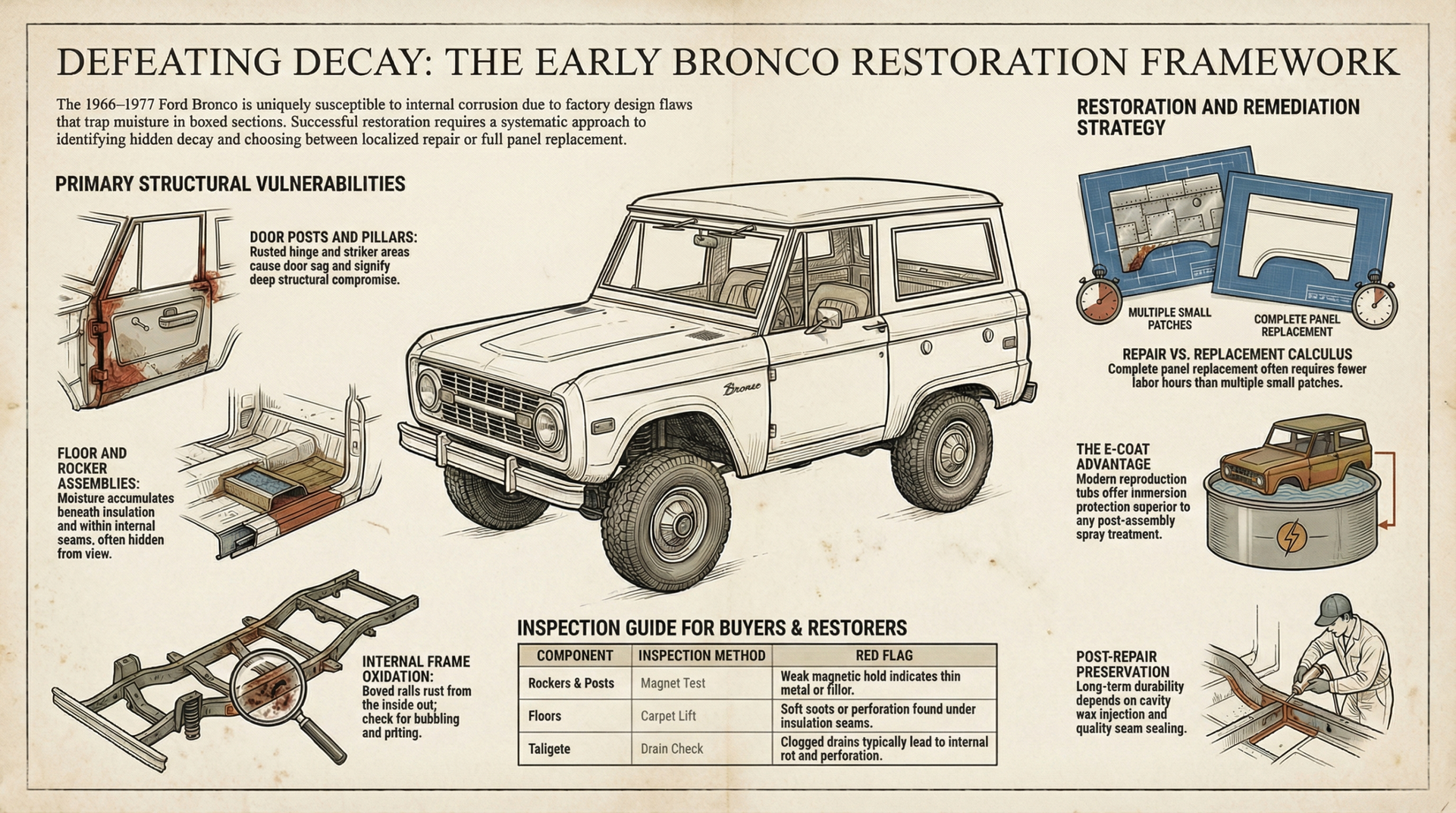
Early Bronco Rust Repair: Realities and Standards for Floors, Rockers, and Door Posts (1966–1977)
Rust is the single greatest threat to any 1966–1977 Ford Bronco. These vehicles spent decades exposed to moisture, road salt, and off-road elements, making rust nearly inevitable in key structural areas. While surface rust is manageable, perforation in floors, rockers, door posts, wheel wells, frames, and tailgates demands serious intervention. This article explains everything you need to know about Early Bronco rust repair. Serious buyers often discover rust during inspections, turning dream projects into costly realities. Proper remediation isn’t about quick fixes—it’s about precision removal, quality replacements, and proactive protection for decades of reliability. Why Rust is the #1 Challenge in
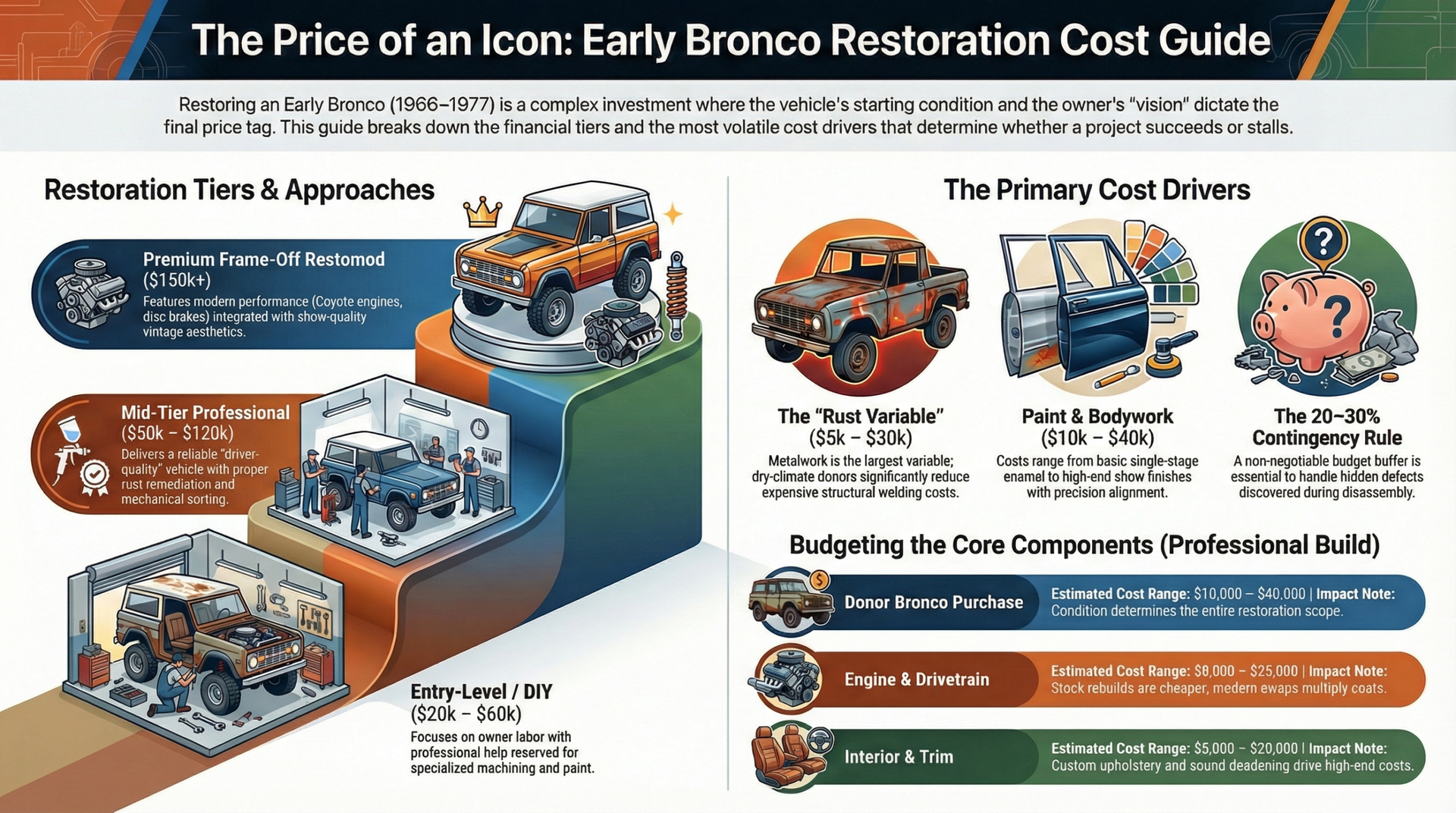
How Much Does It Really Cost to Restore an Early Bronco?
Restoring a 1966–1977 Early Bronco is a commitment that blends passion, craftsmanship, and careful planning. These iconic 4x4s represent a golden era of American off-road design—simple, rugged, and timeless. Yet the path from project to finished vehicle demands realistic expectations about the cost to restore an Early Bronco, as surprises like hidden rust or worn components can quickly escalate expenses beyond initial estimates. Important note on pricing: Costs will vary as cost of goods and labor will fluctuate from builder to builder and market pricing fluctuates as well. The ranges presented below reflect current market conditions, but your specific project may vary
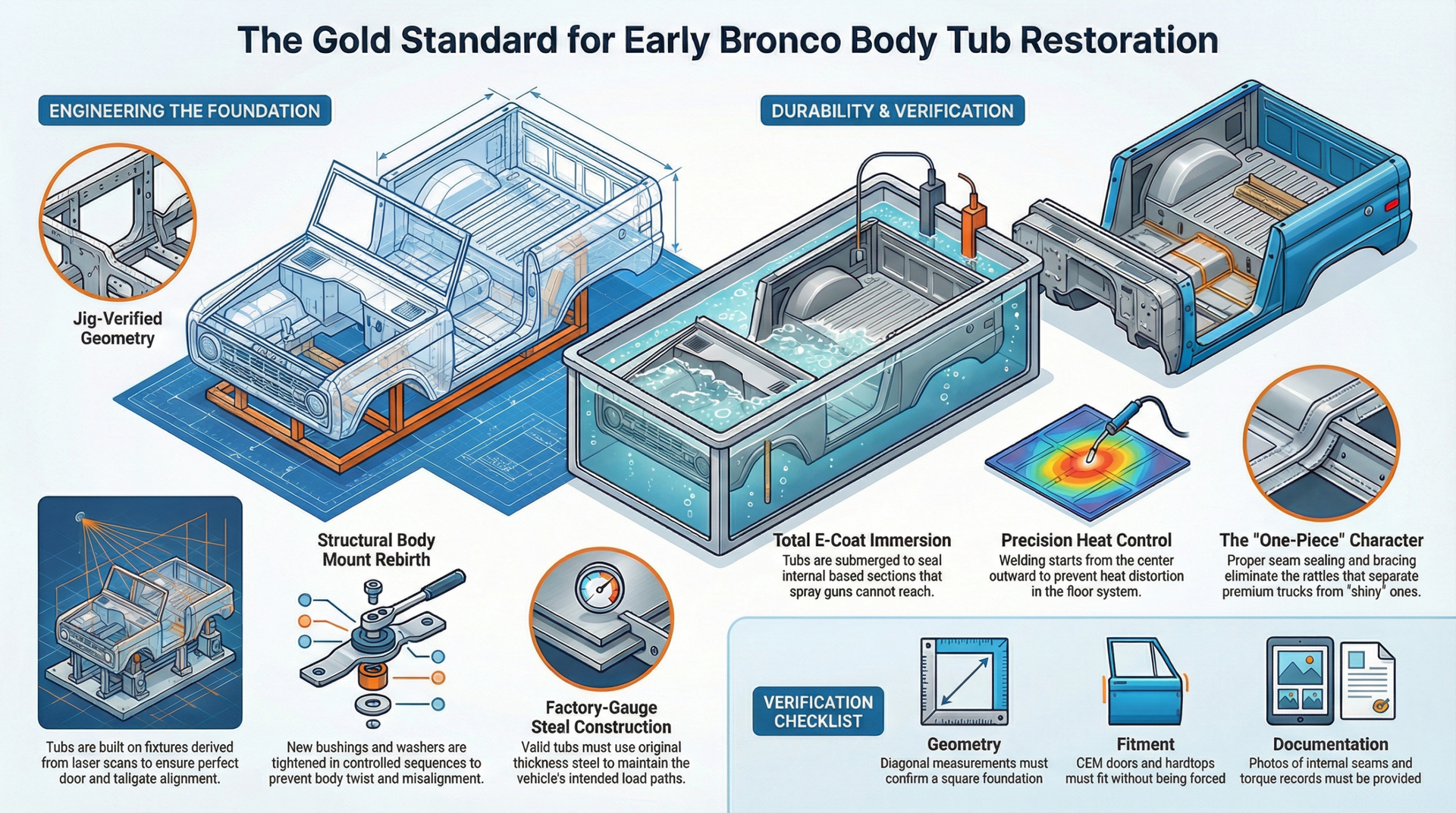
Early Bronco Body Tub Standards: Floor, Mount, and Alignment Foundations
Premium class starts with the tub This is where early bronco body tub standards either become a defining advantage—or a quiet liability you discover later. Selling a floor repair as a “restoration” is a choice, not a necessity. The Early Bronco’s magic lives in its small, rugged tub, and buyers chasing that experience tune for feel and confidence, not shortcuts. When the floor, rocker, and rear quarter channels turn into swiss cheese, confidence disappears. At that point, the only durable solution is to remove the tub, reverse engineer it, and install a reproduction built to tighter-than-original tolerances. That approach goes beyond
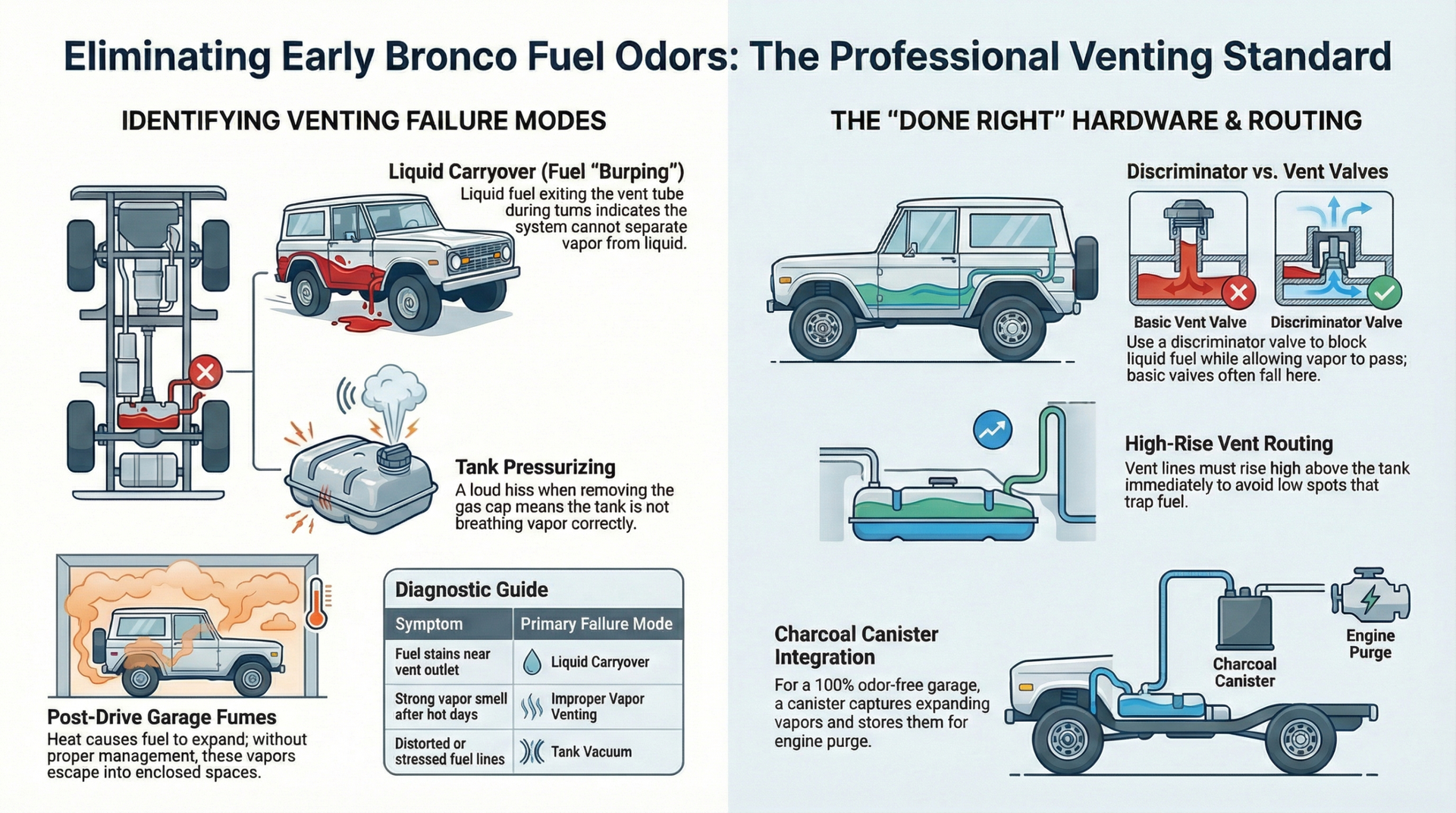
Early Bronco Fuel Smell: Venting Standards That Stop Garage Fumes (66–77)
An early bronco fuel smell is not “old truck character.” It’s a signal that the fuel system is venting incorrectly, unsafely, or both. In a properly sorted 1966–1977 Bronco, you should not walk into your garage and immediately smell fuel fumes. You should not see fuel coming out of a vent tube on turns. And you should not have to explain gasoline odor as a quirk of ownership. Most complaints about early bronco fuel smell come down to venting standards—not carburetors, not nostalgia, and not unavoidable design flaws. When venting is done correctly, the tank breathes vapor (not liquid), pressure stays