
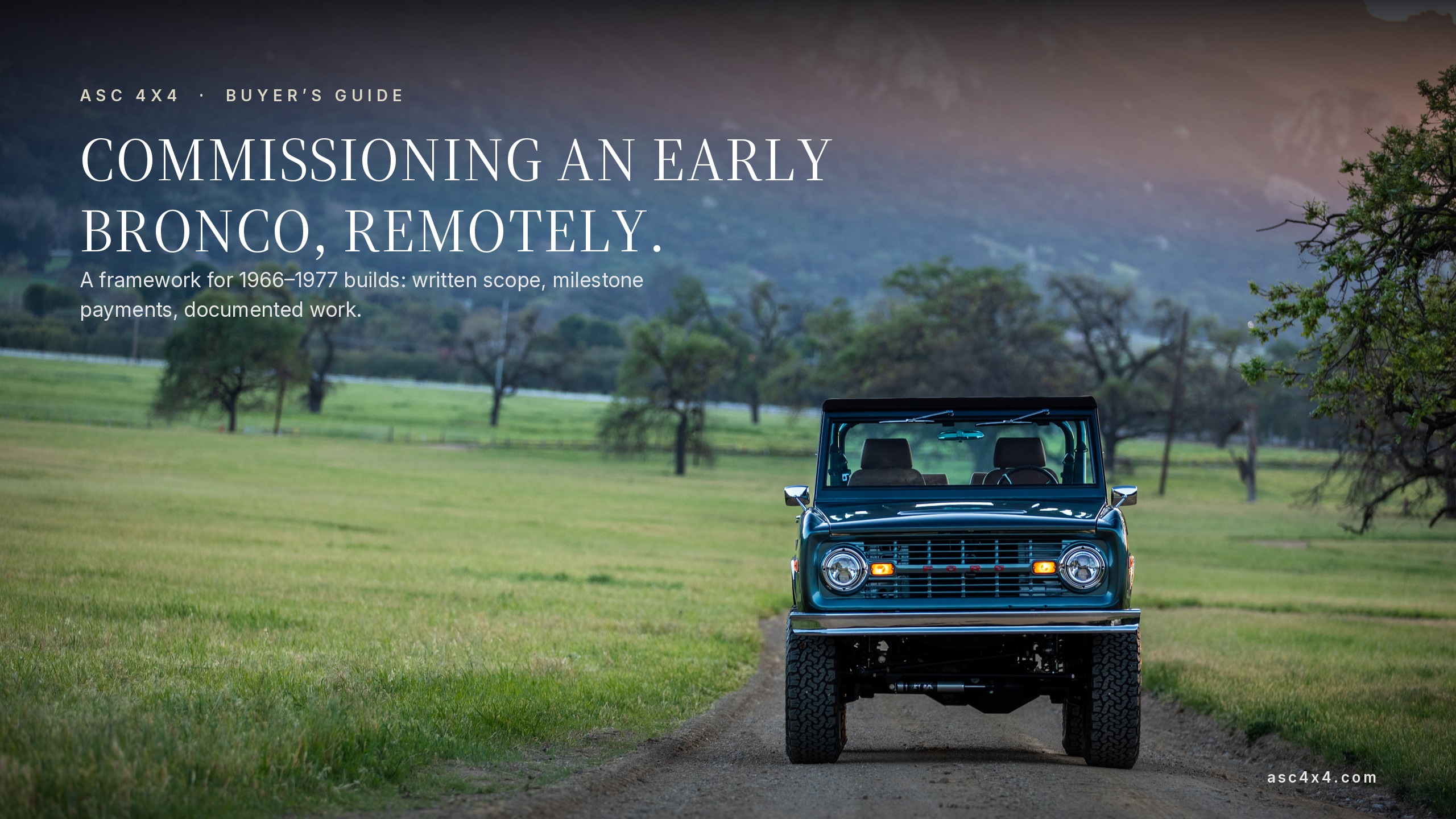
Buyers who want to commission an early Bronco restoration rarely live next door to the shop building it. The first-generation Bronco — 1966 through 1977 — has a national and increasingly international audience, and the best builders are clustered in a handful of regions. If you are not local, the question is not whether to commission an early Bronco restoration from a distance, but how to do it without losing sleep, oversight, or money.
This guide is written for the buyer who is serious. You already know you want a 1966–1977 Bronco, you have a sense of the use case — weekend canyon driver, coastal cruiser, a tasteful family heirloom — and you want a builder who will treat the project with the same discipline you would bring to a real estate transaction. To commission an early Bronco restoration remotely is, fundamentally, an exercise in trust architecture: written scope, milestone payments, documented work, and a relationship that survives the build.
ASC 4×4 is based in Southern California and works with clients across the country and abroad. If you are considering a complete build from a distance, tell us what you have in mind to start the conversation. The framework below is how we think about it, and what we think every buyer should expect from any reputable shop.
What It Means to Commission an Early Bronco Restoration Remotely
To commission an early Bronco restoration remotely means engaging a builder to source, disassemble, restore, and assemble a 1966–1977 Bronco — to your written specification — while you participate primarily through documented updates rather than weekly shop visits. It is not a kit purchase, not an off-the-shelf build, and not a finished-truck transaction. It is a custom commission, governed by a scope document.
The remote model suits buyers who value a specific builder's craftsmanship more than geographic convenience. It also suits international buyers, snowbirds, and clients who simply do not want a project car taking up a bay in their own garage during the build. ASC’s complete custom builds typically take 12–18 months; final timing depends on the starting vehicle and agreed scope.
How to Vet a Builder Without Being On Site
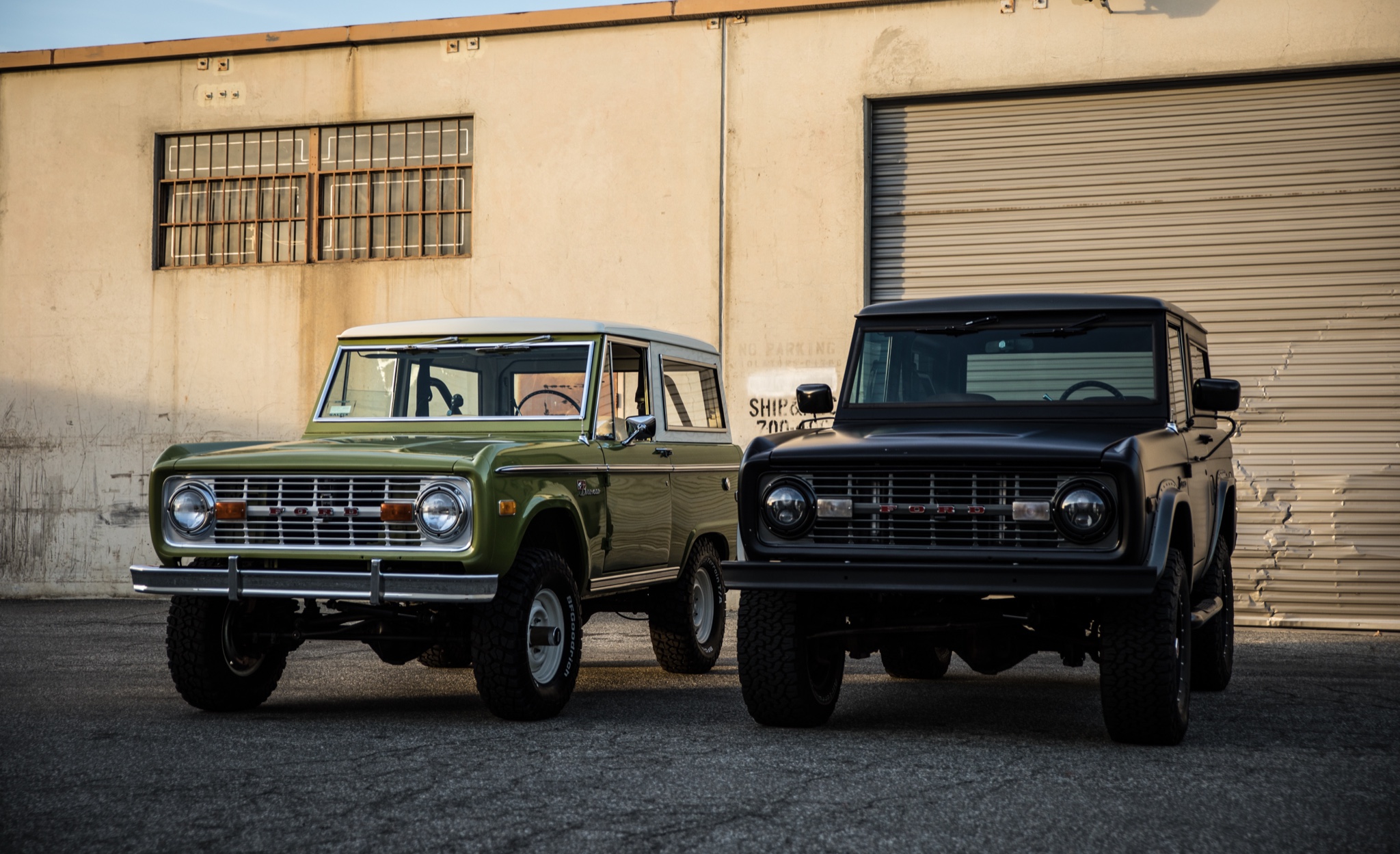
Evaluate completed work. Ask for a documented build history, references, and a shop walkthrough. These are finished vehicles, not progress photos.
Before you wire a deposit, you should be able to answer three questions about your prospective builder: what have they actually finished, who will vouch for them, and how do they communicate when things get hard.
Portfolio depth matters more than Instagram polish. Ask for a list of completed 1966–1977 builds, with photos of each at three stages — teardown, in primer, and finished. Ask for two or three current clients you can call directly. Ask the builder to walk you through their shop on a video call, opening doors and showing you in-progress work. A confident builder will do this without flinching.
Auction histories are public. Browsing finished early Broncos on Bring a Trailer and cross-referencing build photos with shop credits will give you a sense of which builders deliver consistently. Treat forum opinions as anecdotal — useful for sentiment, not for verdicts.
Structuring the Deposit and Milestone Payments
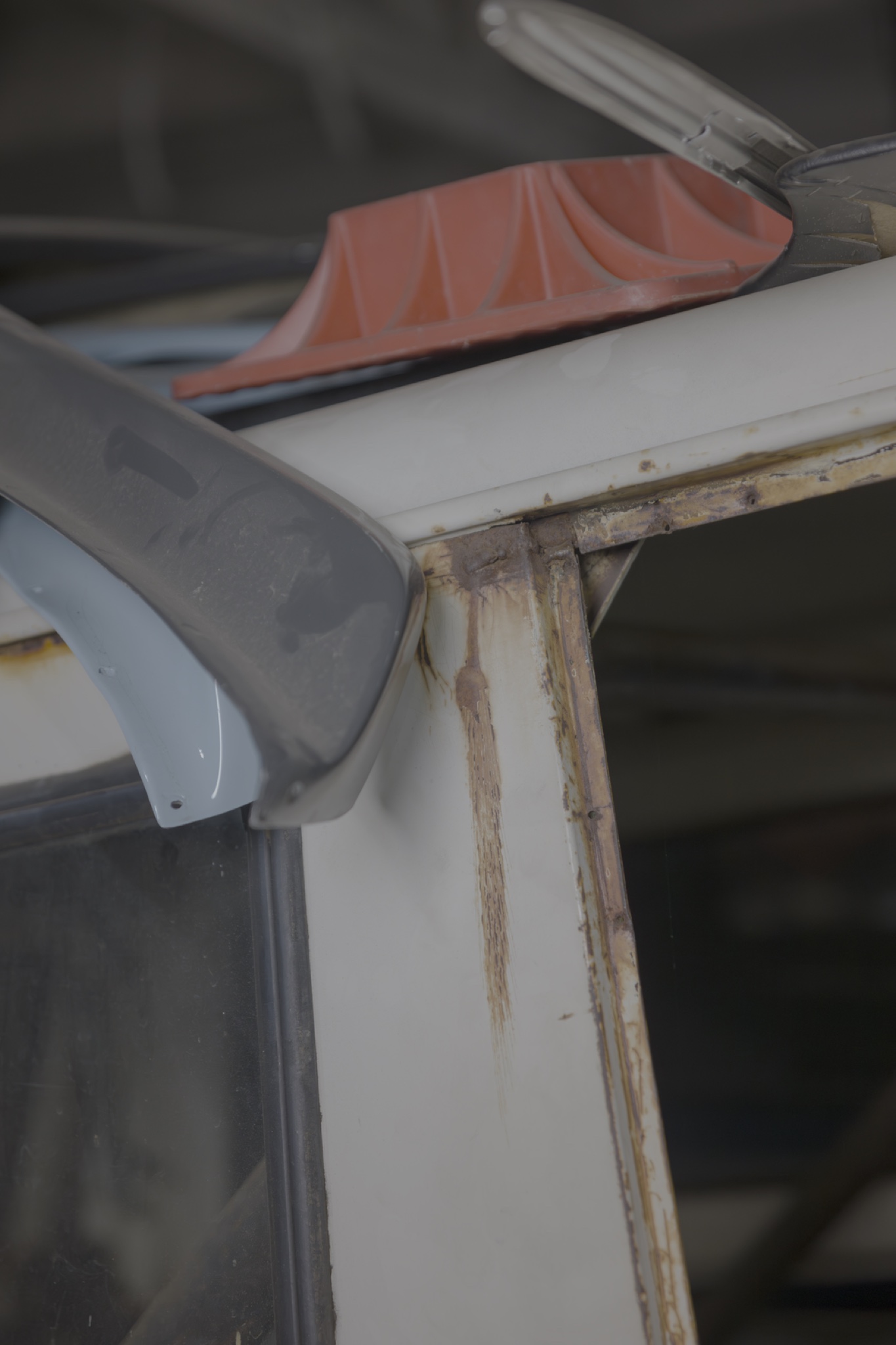
Donor assessment: visible body corrosion.
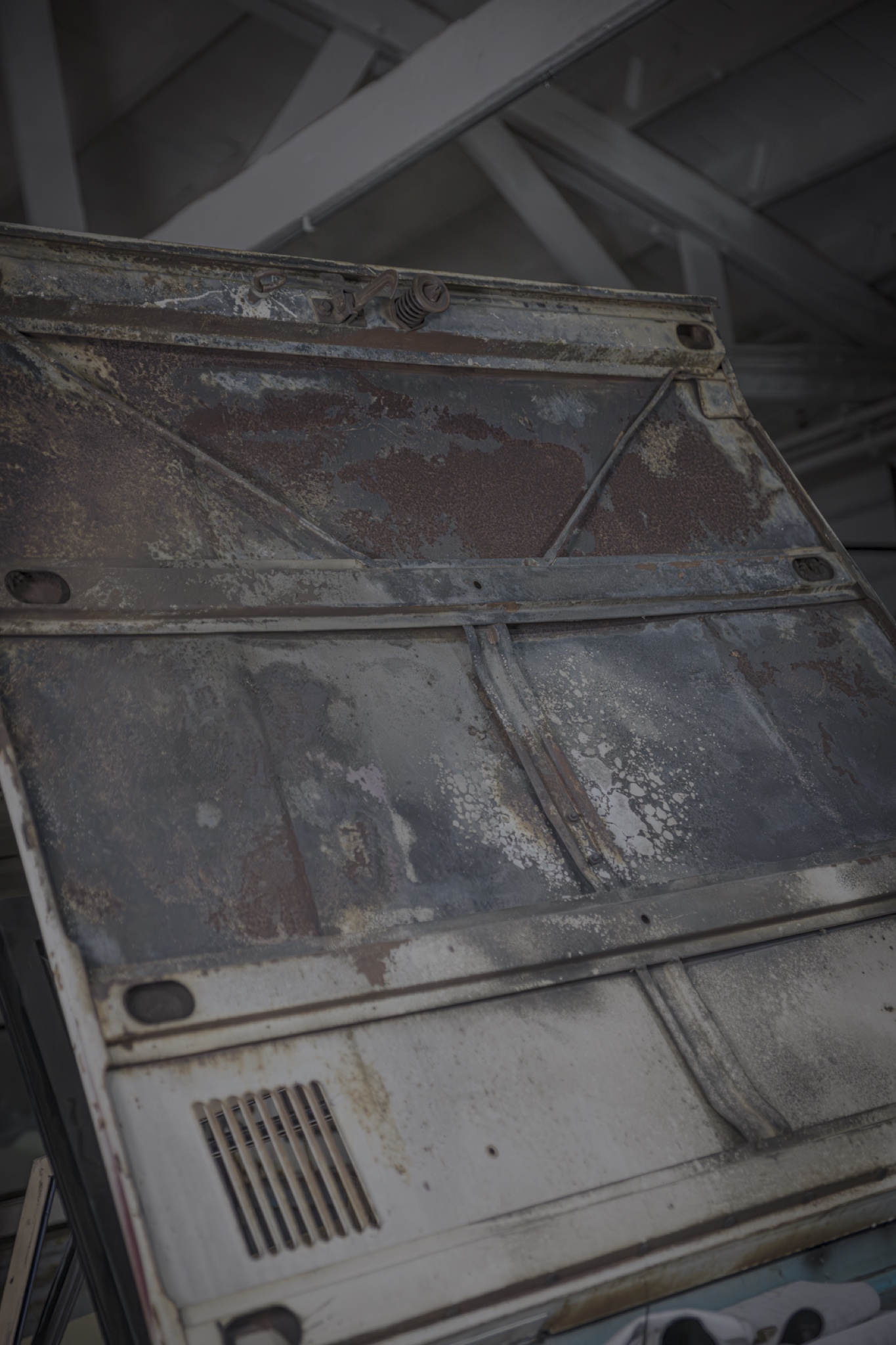
Teardown: inspect panels and document their condition.
Document the work behind each milestone. Agree on the scope and payment stages in writing.
A serious shop will not ask for a large lump sum up front, and a serious buyer will not pay one. Payments should be anchored to milestones: discovery and donor assessment, teardown, body and chassis work, paint, drivetrain, final assembly, and pre-delivery shakedown. Each milestone should be tied to photographic and written confirmation.
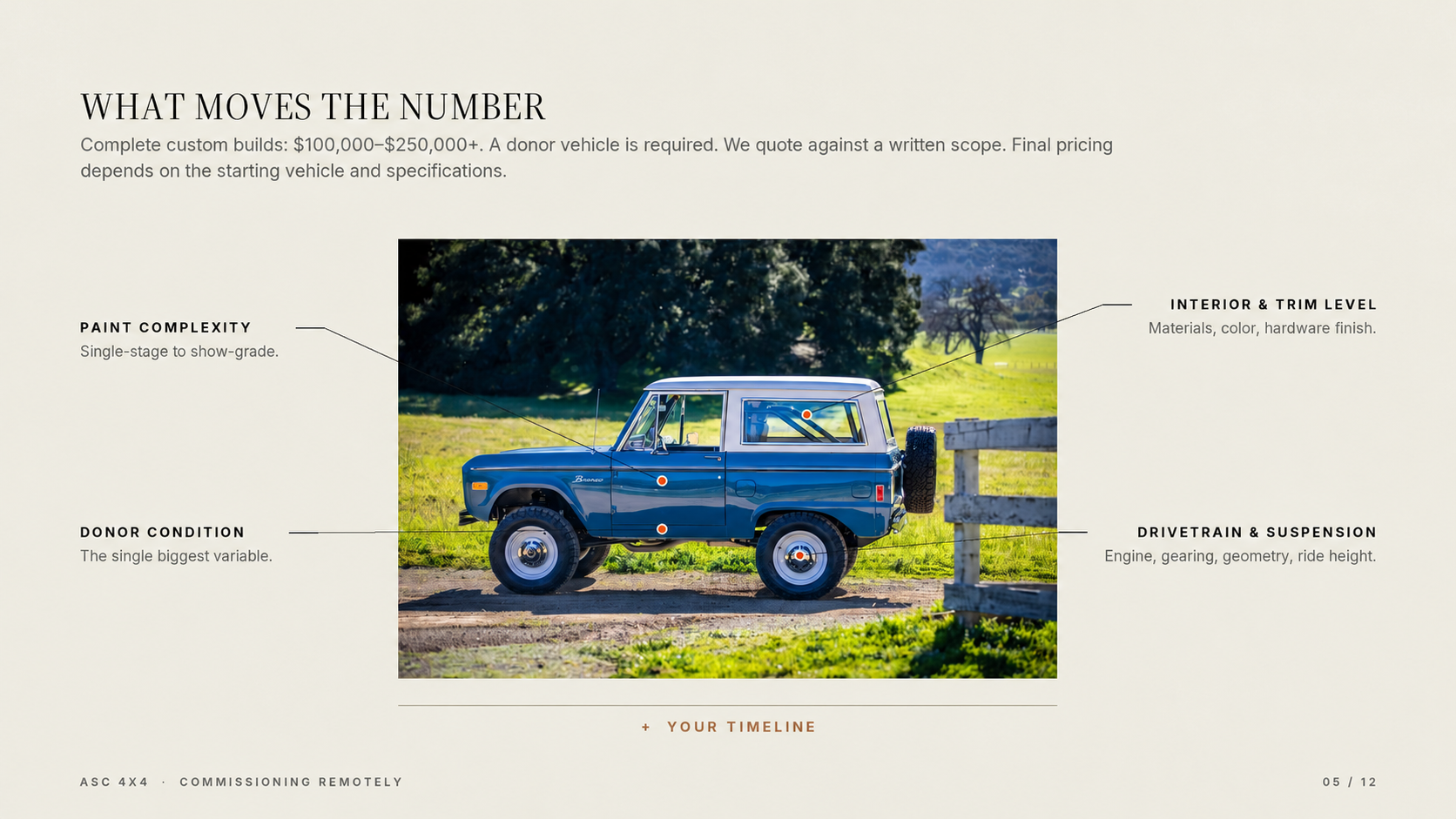
ASC’s complete custom builds range from $100,000–$250,000+, and a donor vehicle is required. Final pricing depends on donor condition, drivetrain and suspension specifications, interior and trim level, paint complexity, and fabrication needs. We quote against a written scope rather than a menu of isolated upgrades. Change the scope and the number can change.
If you want to know what your specific project would cost, call us or tell us about your build — that is the only honest way to answer the question.
Build Sheet: Specifying a 1966–1977 Bronco from a Distance
The build sheet is the contract's center of gravity. It should specify, at minimum: model year and body style, drivetrain (engine family, transmission, transfer case, axles), suspension geometry and ride height target, brakes, wheels and tires, interior materials and color, exterior color and paint system, hardware finish, and any non-standard fabrication.
Remote buyers should resist the temptation to leave items "TBD." Ambiguity is the most expensive line item in any restoration. Use reference photos liberally. Approve material samples by mail. Set decision deadlines so the build does not stall waiting on a color choice.
Shipping a Donor or Rolling Chassis to the Shop
If you already own a donor, discuss getting it to the shop before the project begins. If you choose to ship it, arrange and pay for your own transport and confirm the carrier’s insurance coverage. International buyers should plan for customs clearance and confirm the destination country’s import and registration requirements before shipping. For a vehicle entering or re-entering the U.S., review NHTSA’s vehicle import guidance and confirm the applicable customs and emissions requirements with your broker.
If you do not yet own a donor, the shop should source one for you and document the inspection. Donor condition is the single biggest variable in any build budget.
Progress Updates, Photo Cadence, and Independent Inspections
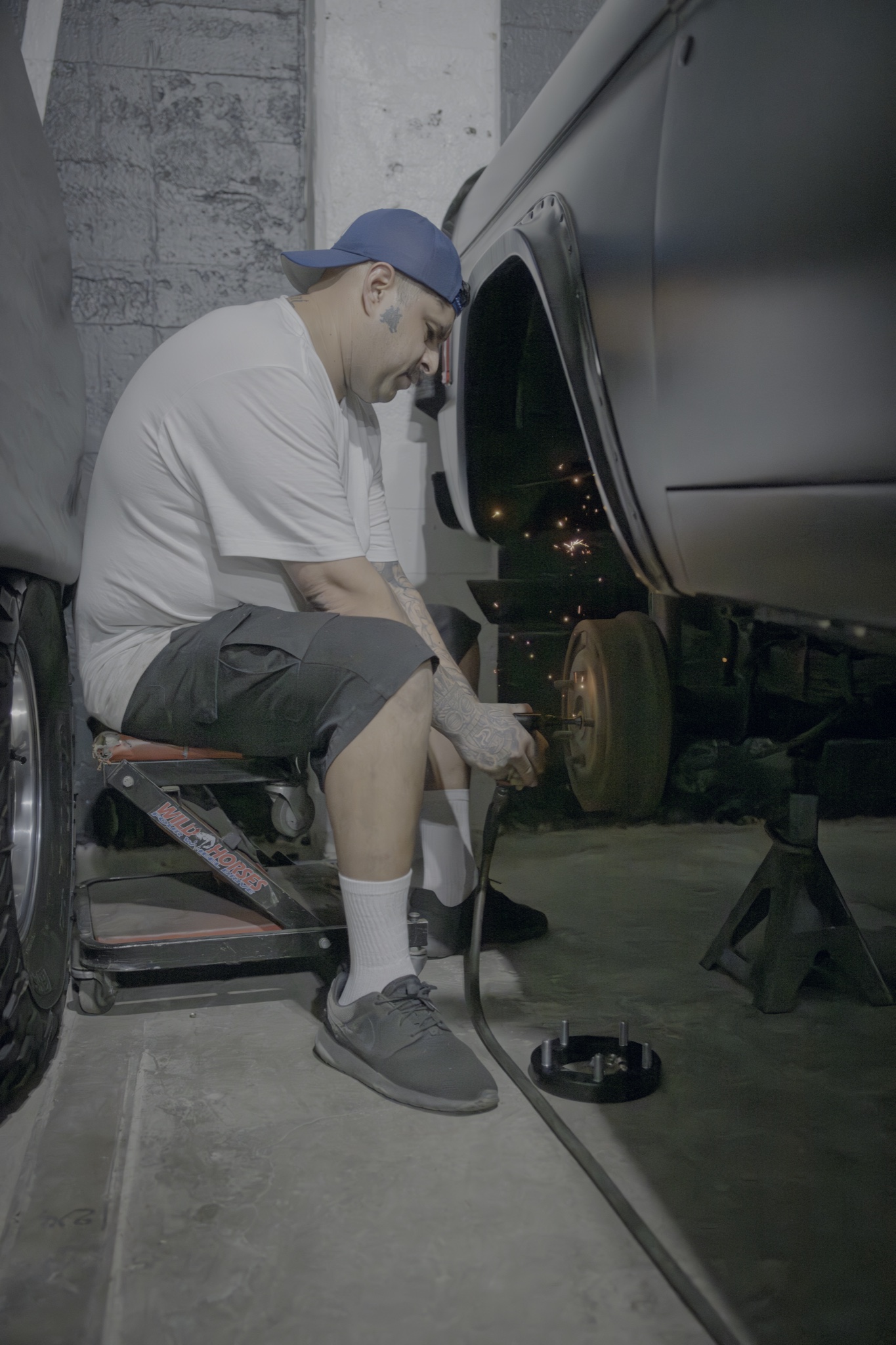
A documented update rhythm
Progress photos should show the work being performed and make it easy to understand the current stage.
Keep written updates, milestone decisions, and approved changes together in the project record.
Agree on a documented update schedule with your builder before work begins, including the frequency of written updates, photographs and any video calls. Consistent photo angles can make progress easier to follow; discuss which stages would benefit from a walkthrough.
Some remote buyers hire an independent third-party inspector to visit at one or two milestones. Reputable shops welcome this.
Change Orders, Scope Creep, and Cost Discipline
Every change to the build sheet should be a written change order, signed by both parties, with cost and timeline impact noted. This protects both sides. The most common failure mode in remote builds is verbal changes — a phone call about wheels, a text about interior stitching — that never make it into the document.
Pickup, Shakedown, and Post-Build Support
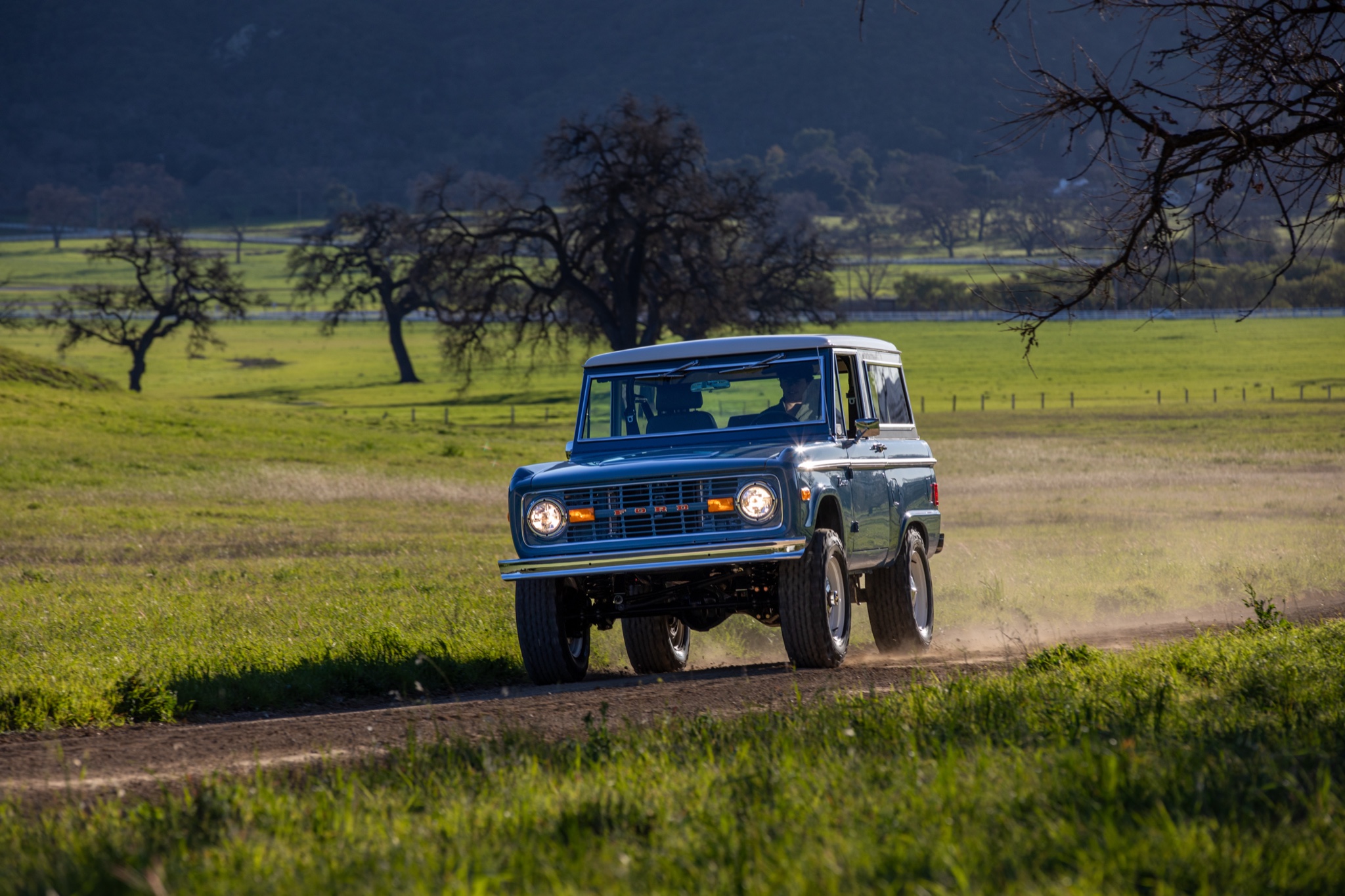
Pickup at the shop. Optional shipping is arranged and paid for by the customer. Shipping is not included in the build price.
Before pickup, the truck should be driven, fluids cycled, and a punch list documented. Completed vehicles are picked up at the ASC shop. If you prefer shipping, you arrange and pay for it separately; shipping is not included in the build price. Before handoff, discuss post-build support, points of contact and any follow-up arrangements with your builder, and put the agreed terms in writing.
Commission vs. Buy Finished vs. Hybrid: A Decision Guide
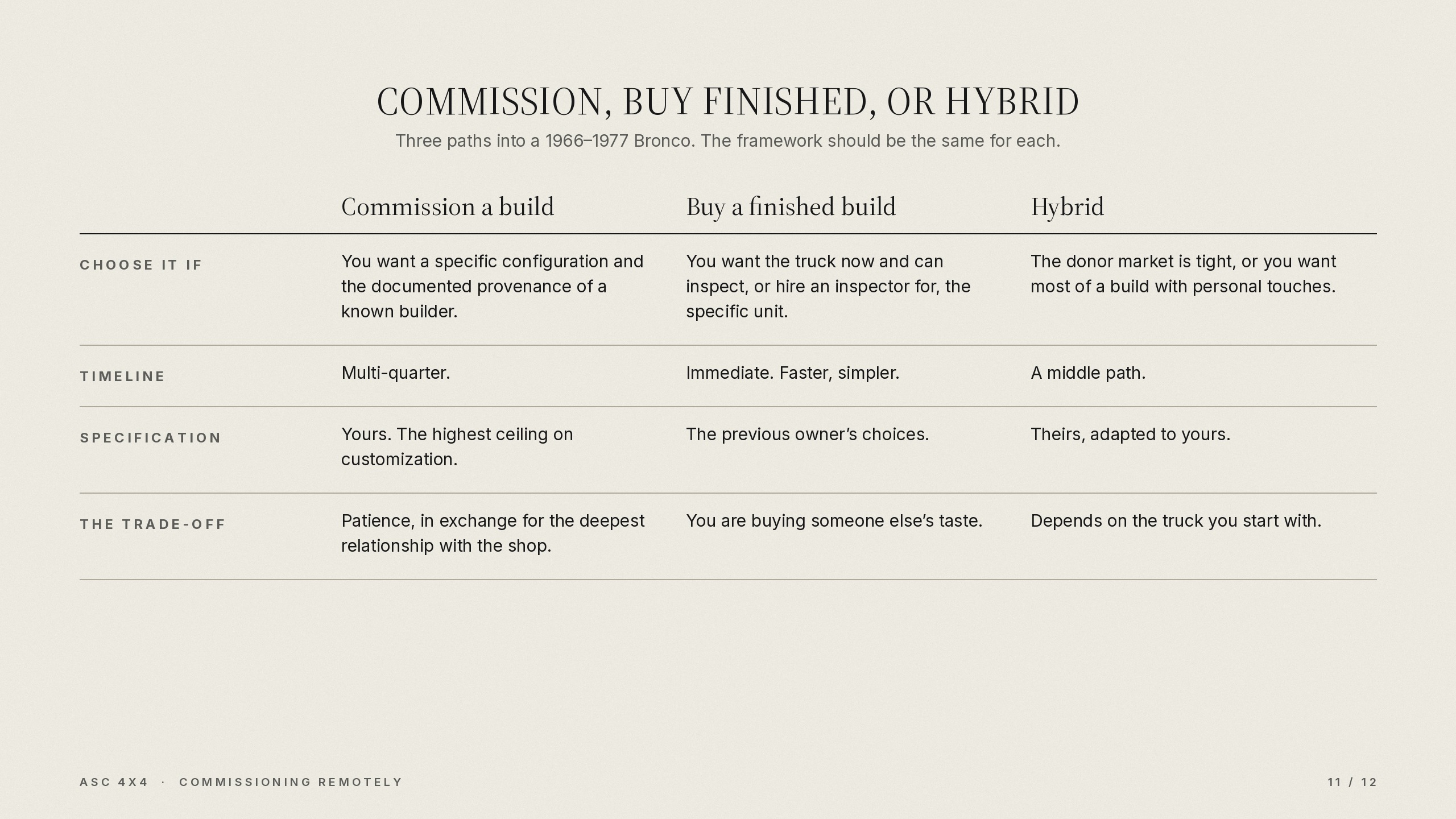
Commission a build if you want a specific configuration, you value the documented provenance of a known builder, and you are comfortable with a 12–18 month build timeline at ASC. This is the path with the highest ceiling on customization and the deepest relationship with the shop.
Buy a finished build if you want the truck now, you can inspect (or hire an inspector for) the specific unit, and you are willing to accept the previous owner's spec choices. Faster, simpler, but you are buying someone else's taste.
Hybrid — buy a recently finished truck and have the builder modify it to your spec — is a reasonable middle path when the donor market is tight or when you want most of a build but with personal touches.
ASC supports SoCal clients and remote builds with the same standards. The decision is yours; the framework should be the same regardless.
FAQ
Can I commission an early Bronco restoration if I live out of state?
Yes. ASC works with clients outside Southern California, including East Coast and international buyers. The process is structured around a written scope, milestone payments, and a documented update cadence so distance is not a disadvantage.
How do you handle deposits and milestone payments?
Discuss the deposit, payment stages and documentation with ASC. Agree on the milestones and terms in the written project scope before work begins.
What does ASC need from me to begin a build sheet?
Reference photos of the look you want, a description of how you intend to use the truck, your timeline, and any non-negotiables on drivetrain or interior. From there we build a written scope together.
How often will I receive progress updates?
Discuss the cadence and format of written updates, photos and video calls with ASC, and include the agreed plan in your project documentation.
Can international buyers commission an early Bronco restoration?
Yes. International clients can commission a build and pick up the completed vehicle at our shop. If you choose shipping, you arrange and pay for it separately, including any customs brokerage, import requirements, and related costs.
What if I want to change the spec mid-build?
If you want to change the specification, discuss the proposed change with ASC and agree in writing on its effect on scope, cost, and timing before work proceeds.
How do I collect the finished truck?
Pick up your completed truck at the ASC shop after shakedown and punch-list resolution. If you prefer shipping, you arrange your own carrier and pay the shipping and insurance costs separately. Shipping is not included in the build price.
Do you offer support after pickup?
Ask ASC about available post-build support, how to contact the team, and any follow-up arrangements for your project. Confirm the agreed terms in writing.
Ready to Start
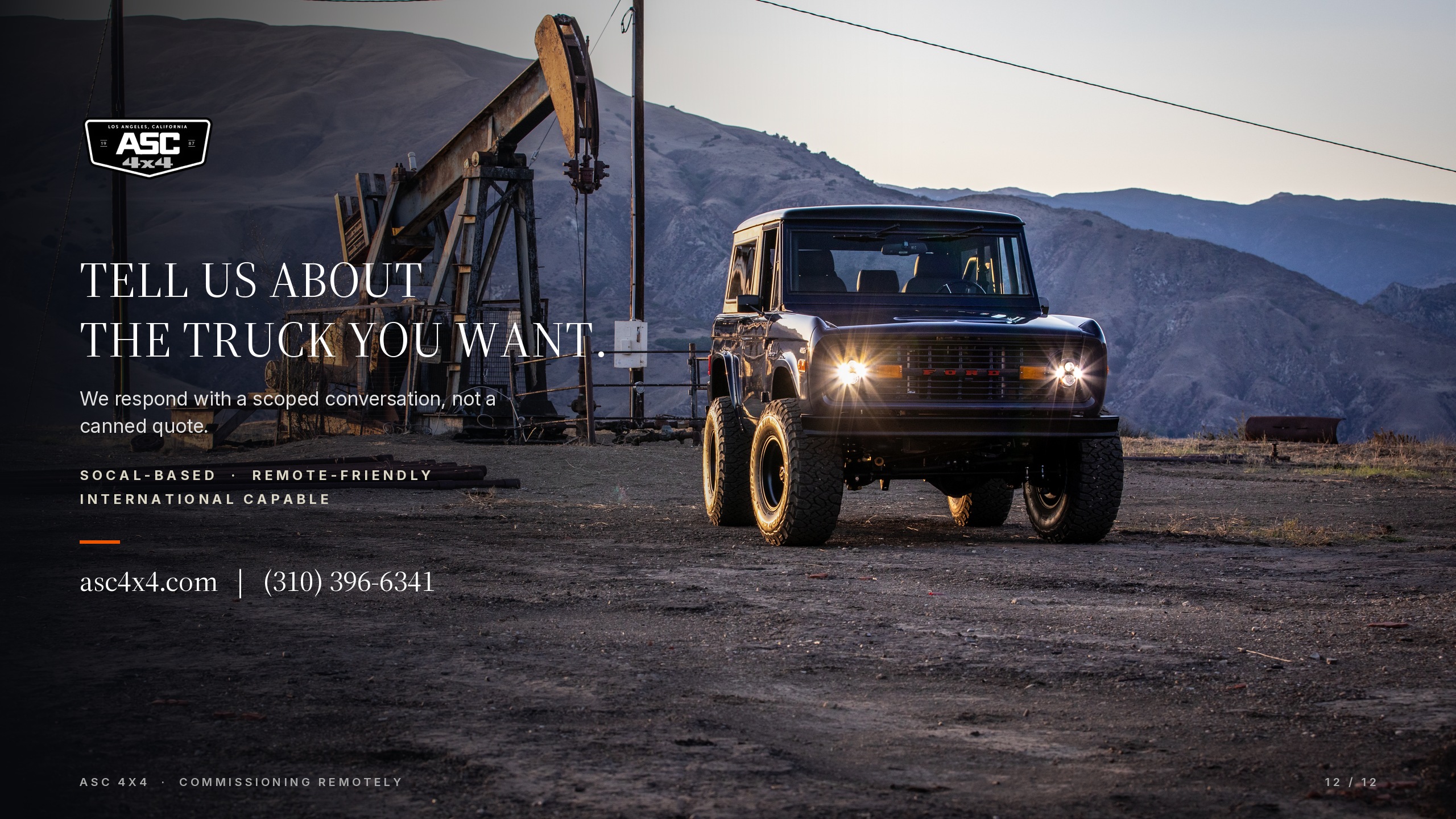
If you are ready to commission an early Bronco restoration with a builder who treats the process as a relationship rather than a transaction, we would like to hear from you. Tell us about the truck you want — call, email, or plan your build with us. We will respond with a scoped conversation, not a canned quote.