
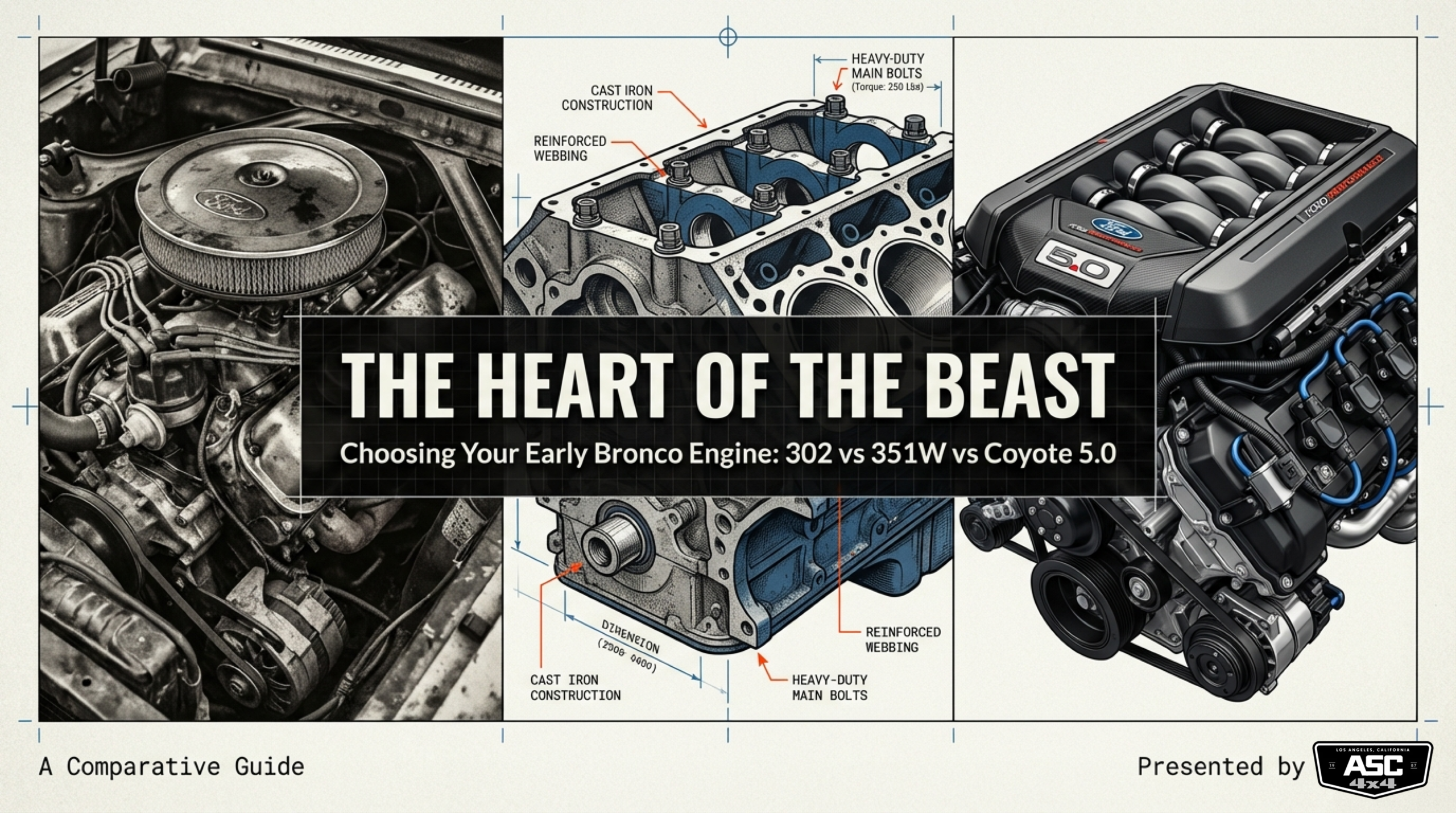
The engine sitting between your Early Bronco’s frame rails defines more than horsepower—it dictates how the truck drives, feels, and serves you. Three engines dominate the conversation: the classic 302 Windsor, the 351 Windsor, and the modern Coyote 5.0. Each represents a different approach to power, offering distinct advantages depending on your goals.
Choosing between them isn’t about displacement or era alone. It’s about matching your engine to how you’ll actually use the truck: street driving, weekend trails, serious off-road adventures, or a high-performance restomod that bridges classic style with modern capability.
Understanding the Engine Options: 302 vs 351W vs Coyote 5.0 Basics
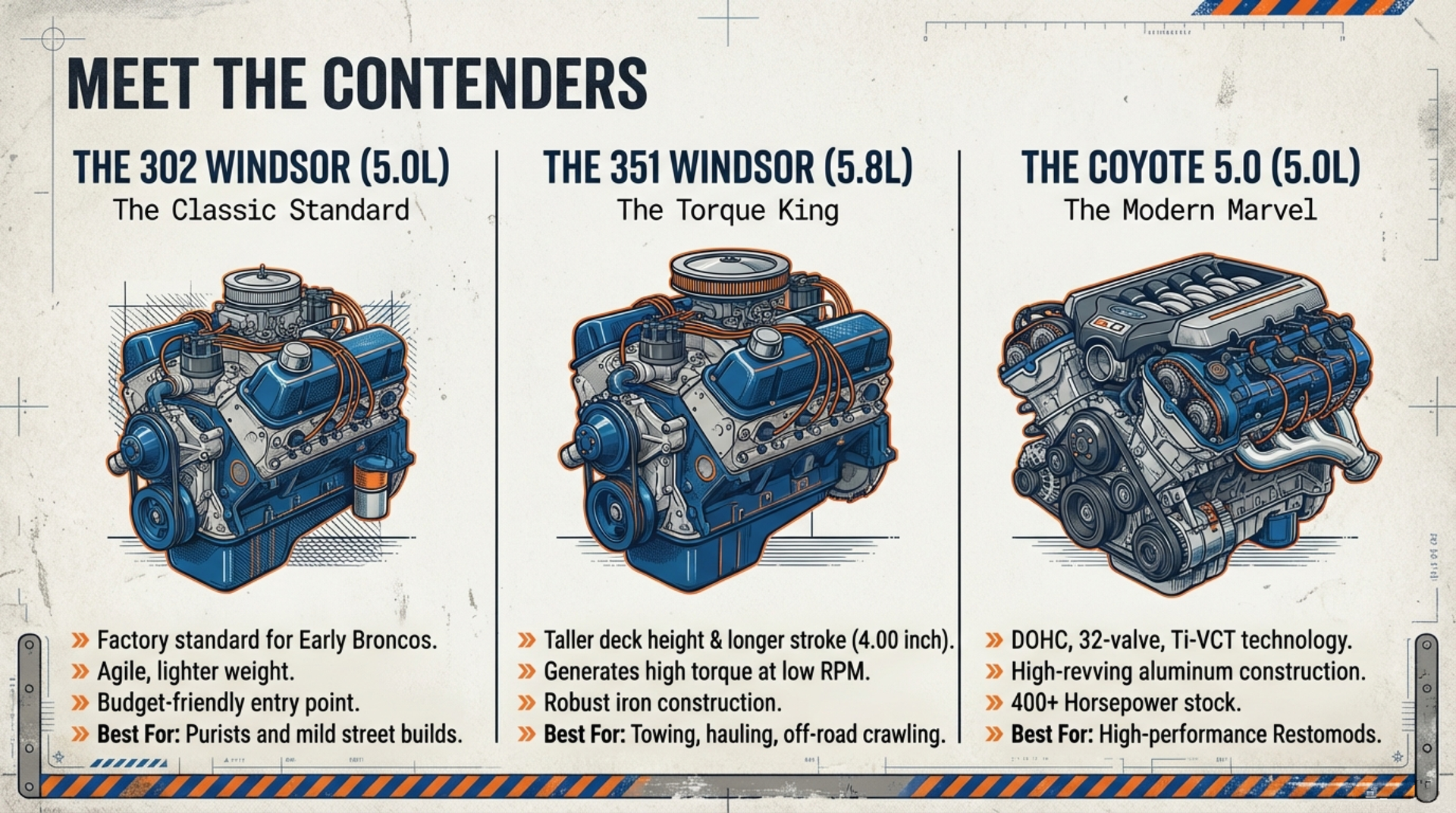
The 302 Windsor (5.0L) and 351 Windsor (5.8L) are both small-block Ford V8 engines that share the same bellhousing pattern and general architecture. This means they bolt into the same mounts and use the same transmissions in your Early Bronco, with considerations for intake width and hood clearance.
The primary difference is displacement: 302 cubic inches versus 351 cubic inches. The 351W achieves this through a taller deck height and longer stroke (4.00 inches vs. the 302’s 3.00-inch stroke). This longer stroke means the 351W generates more torque at lower RPM—a characteristic that matters in a heavy 4×4 application like a Bronco.
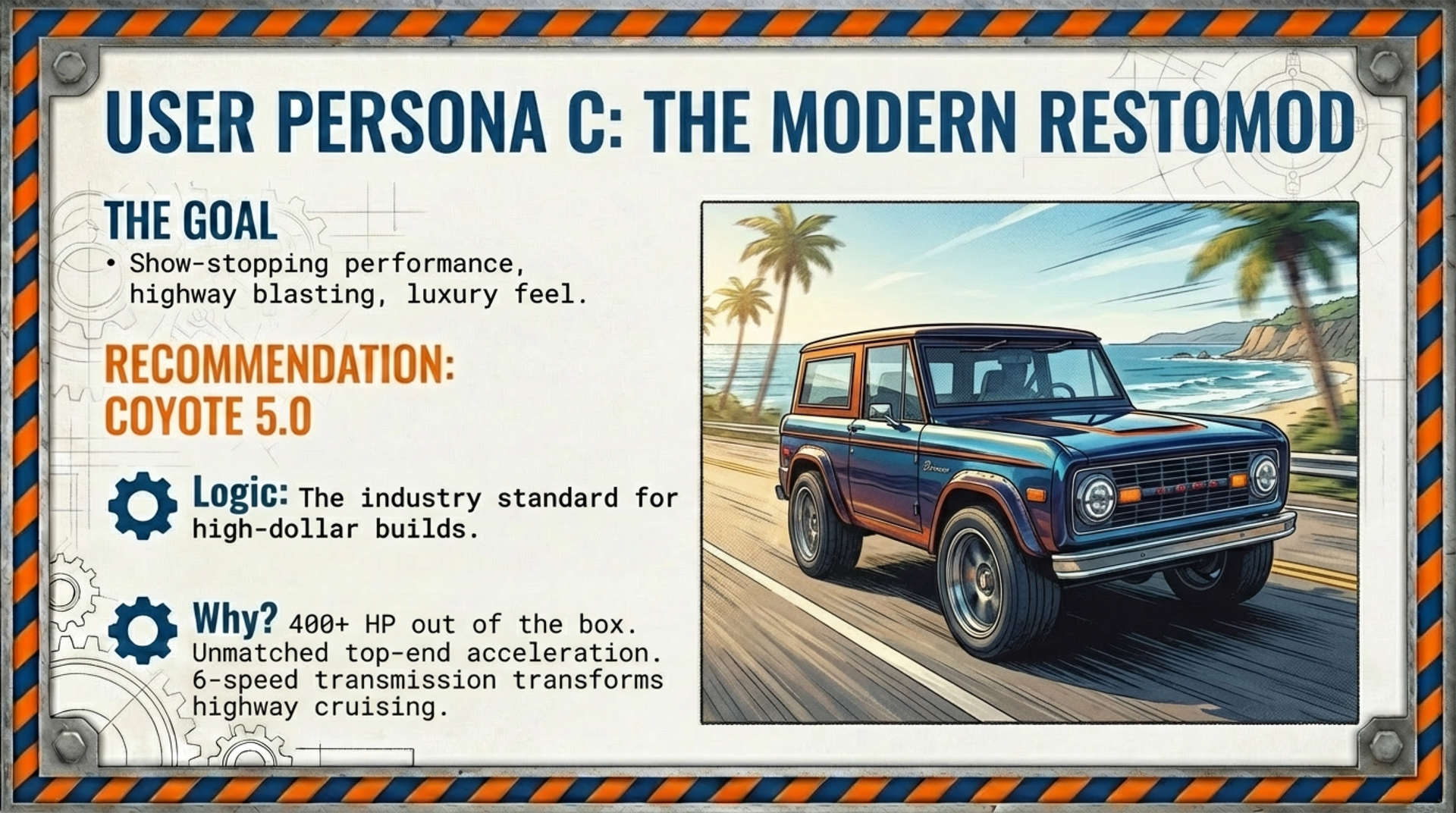
The Coyote 5.0 represents a modern evolution of the 5.0L displacement, sharing the same cubic inch measurement as the classic 302 but delivering dramatically different performance through advanced engineering. Features include dual overhead cams (DOHC), 32 valves, Twin Independent Variable Camshaft Timing (Ti-VCT), and an all-aluminum block and heads. Introduced in 2011 for the Mustang GT and F-150, the Coyote produces 360-460+ horsepower depending on the variant, with torque ratings of 380-400+ lb-ft.
From the factory, Early Broncos were equipped with the 289 (1966–1968) and later the 302 (1969–1977). The 351W was never factory-installed but became one of the most popular swaps due to its torque and compatibility. The Coyote 5.0, while never a factory option in Early Broncos, has become increasingly popular for restomod builds seeking modern performance. All three engines have strong aftermarket support today, with performance parts readily available.
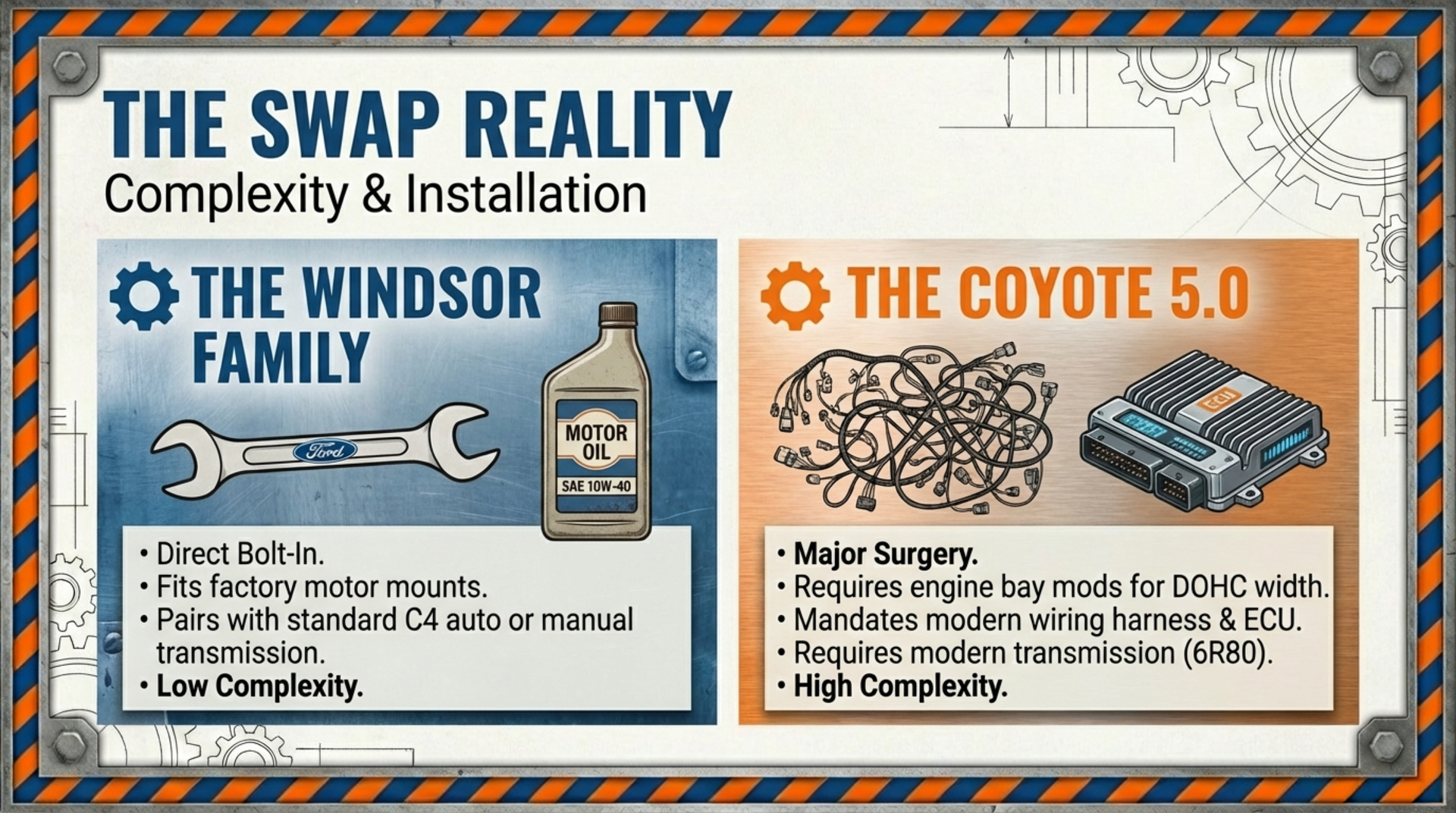
Physically, the 302 and 351W are similar in size and weight (the 351W is roughly 50-75 lbs heavier). The Coyote 5.0’s aluminum block reduces engine weight compared to iron Windsor blocks, but its DOHC design and wider dimensions require more engine bay planning. Complete conversion kits exist for 1966-1977 Broncos, addressing fitment, wiring, and transmission integration.
Power and Torque: Three Approaches to Performance
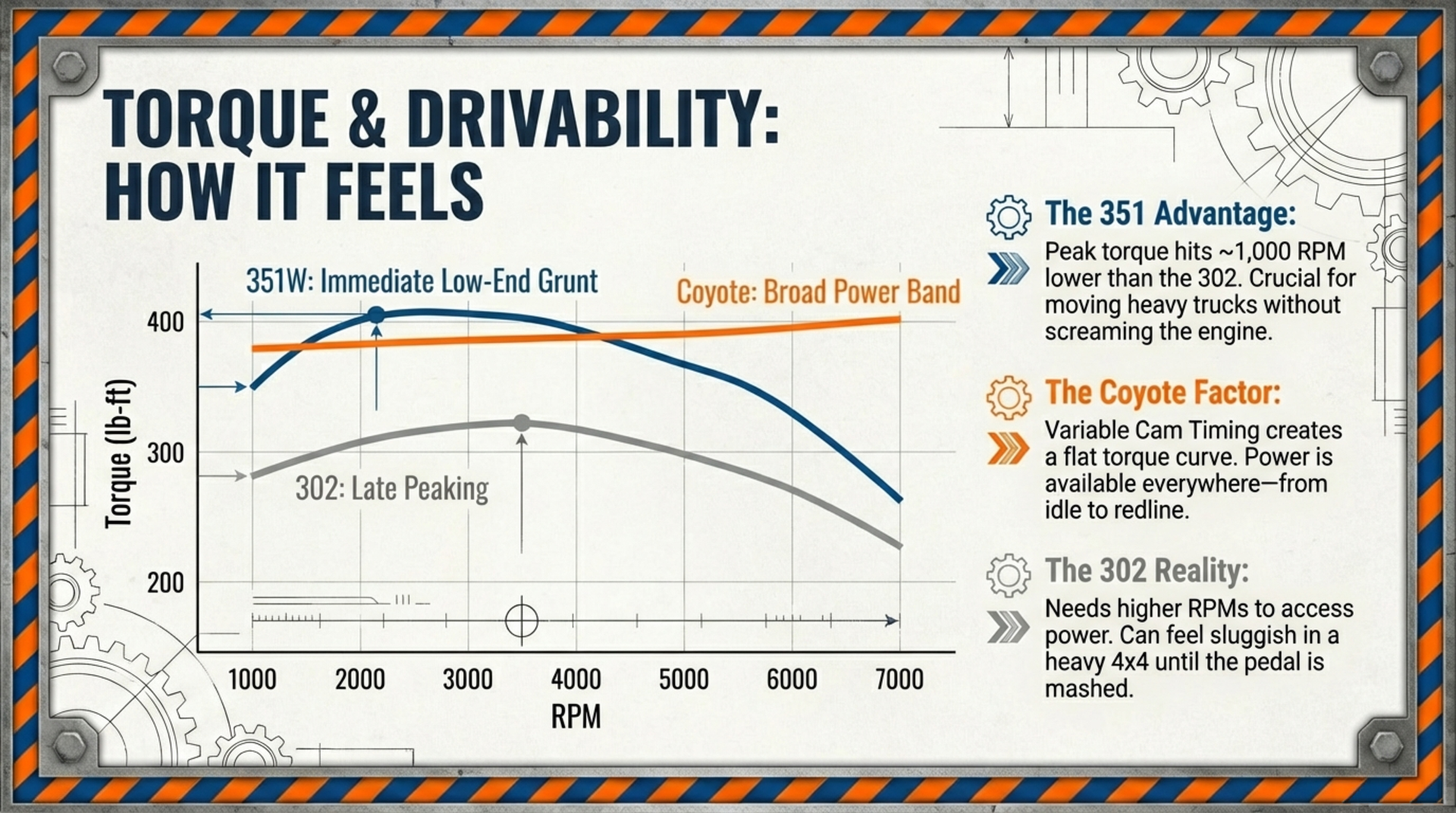
This is where the conversation gets practical. A stock 302 in good tune typically produces around 200-220 horsepower, while a stock 351W delivers roughly 210-240 horsepower. The Coyote 5.0 transforms the equation with 360-460+ horsepower out of the box depending on the variant. The headline numbers tell part of the story, but the torque curve tells the rest.
The 351W typically makes peak torque at a lower RPM than the 302. In driving terms, this means when you’re cruising at highway speeds in overdrive, the 351W is already in its torque sweet spot. The 302 may need to rev higher to access its power band.
The Coyote 5.0 offers a broader torque curve than both traditional pushrod engines, with Ti-VCT optimizing power delivery across the RPM range. While peak torque occurs higher in the rev range than the 351W, the Coyote’s ability to maintain power at high RPM creates a different driving experience—more responsive, more willing to rev, with stronger top-end power for highway passing and acceleration.
For Early Broncos weighing between 3,500-4,500 pounds (depending on configuration), these differences matter in different ways. Low-end torque from the 351W helps get the truck moving from a stop and provides grunt for steep trails without excessive RPM. The 302 offers a balanced power band suitable for street driving. The Coyote 5.0 delivers power everywhere, with strong mid-range torque and extended high-RPM capability.
Many experienced Bronco builders note that the 351W achieves strong low-end torque with fewer high-RPM components than a similarly powered 302, making it an efficient path to usable trail power. However, the Coyote 5.0 changes the equation entirely.
Where a 302 or 351W build might target 300-400 horsepower with significant investment, the Coyote 5.0 delivers 400+ horsepower in stock form. As MotorTrend notes, the Coyote “provides a substantial power upgrade over the original mid-1980s 302 V8” while offering “improved drivability and responsiveness”.
Reliability and Durability: Traditional vs Modern Engineering
All three engines are proven designs, but they approach reliability differently.
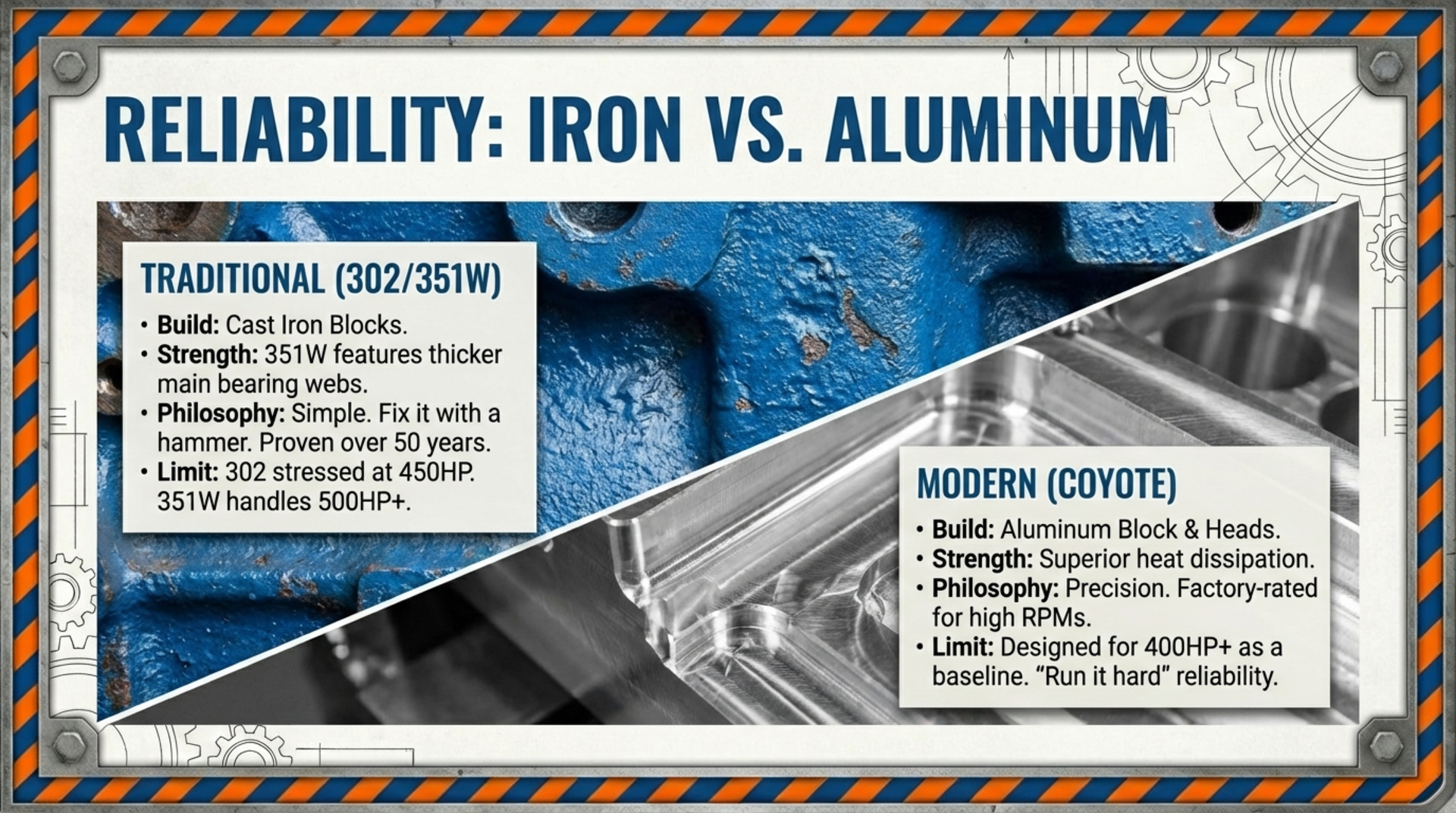
The traditional 302 and 351W Windsor engines have been used in Ford trucks, cars, and performance vehicles for decades, earning reputations for durability when maintained properly. The 351W block is often considered stronger in stock form due to its thicker main webs and taller deck design, though late-model roller 302 blocks are also durable. In practice, both factory blocks have reliable limits before aftermarket reinforcement becomes advisable. A Phoenix Engine spec sheet confirms that built 351W engines can sustain higher power levels reliably.
The Coyote 5.0 brings modern engineering to reliability. Its aluminum block and heads reduce weight while enhancing heat dissipation. Twin Independent Variable Camshaft Timing optimizes efficiency and reduces emissions without sacrificing power. Ford’s Service Content notes that the Coyote engine is “known for its durability” and features “advanced engineering and materials that contribute to its longevity and reliability”.
Lethal Performance’s guide reinforces this: “The Coyote engine is known for its reliability, making it a popular choice for classic truck conversions due to its robust performance and adaptability”. The combination of modern manufacturing tolerances, improved oiling systems, and factory-designed high-RPM capability means Coyote engines handle demanding use well.
Common failure points differ. The 302’s smaller main bearings can be stressed by high-RPM builds or heavy loads without proper tuning. The 351W, being stronger, handles higher power better but its additional weight can strain older mounts and cooling systems if not addressed. The Coyote 5.0’s complexity requires proper electronic integration, but once dialed in, it delivers consistent performance with minimal fuss.
All three engines respond well to thoughtful upgrades. Traditional engines benefit from roller camshafts, improved oiling systems, and better cooling components. The Coyote 5.0 has a vast aftermarket ecosystem supporting power increases well beyond factory ratings, with modifications allowing outputs exceeding 750 horsepower.
Build Considerations: Parts Availability and Investment
In 2026, parts availability for all three engines is excellent. Each approach has different investment profiles.
Traditional pushrod builds (302/351W) follow predictable cost patterns:
Machine work costs are generally similar between both engines. Boring, honing, decking, and balancing don’t differ significantly by displacement. However, if your 351W needs oversize pistons, the parts themselves may cost slightly more than 302 equivalents.
Performance build investment follows a clear pattern. To build a 302 to make equal power to a mildly built 351W, you’ll need to spend more on high-RPM components (lighter pistons, better rods, more aggressive camshaft, ported heads). One forum discussion noted that building a 302 for higher power often costs more than building a 351W for the same output, because “a stock 302 block is good to about 450HP. Beyond that, you’re rolling the dice. It is easier and not that much more expensive to build up the 351”.
Coyote 5.0 swaps represent a different approach. Rather than building up a traditional engine, the Coyote 5.0 delivers modern power as a package. Complete conversion kits from suppliers like TD Motion include the engine, transmission, wiring harness, computer, and mounting hardware. Check current market pricing for specific packages—the investment is higher than a traditional pushrod build, but you receive a turnkey modern powertrain.
Aftermarket parts pricing varies by approach. For traditional engines, headers, intakes, and engine accessories are similarly priced—the same aftermarket heads often fit both the 302 and 351W. For the Coyote 5.0, the aftermarket ecosystem is mature and comprehensive, supporting everything from bolt-on improvements to full race builds.
Transmission pairing differs. The 302 and 351W use the same bellhousing pattern, so the factory C4 automatic or manual transmissions bolt up to either. For higher-horsepower builds, consider the torque capacity of your transmission choice. The Coyote 5.0 typically requires a modern transmission like the 6R80 6-speed automatic, which adds to the conversion cost but provides superior gearing and drivability.
Engine Build Investment Worksheet
| Component | 302 Build (Mild) | 351W Build (Mild) | Coyote 5.0 Swap (Turnkey) | Notes |
|---|---|---|---|---|
| Engine | $2,000-$4,000 | $2,500-$5,000 | $10,000-$18,000+ | Check current market pricing for Coyote packages |
| Machine work | $1,200-$1,800 | $1,200-$1,800 | Included in crate | Traditional builds require machine work |
| Transmission | $500-$1,200 | $500-$1,200 | Often included in complete swap packages; pricing varies significantly by supplier and transmission choice | Coyote packages include modern 6-speed |
| Rotating assembly | $1,500-$2,200 | $1,700-$2,500 | N/A | Part of crate engine |
| Heads (stock replacement) | $800-$1,200 | $900-$1,300 | N/A | Part of crate engine |
| Intake manifold | $300-$600 | $300-$600 | N/A | Part of crate engine |
| Headers | $400-$700 | $400-$700 | $400-$700 | All require headers |
| Fuel system | $400-$800 | $400-$800 | Included in package | Coyote includes EFI system |
| Ignition | $300-$600 | $300-$600 | N/A | Part of crate engine |
| Wiring/ECU | $200-$500 | $200-$500 | Included in package | Coyote requires factory-style engine management harness and control pack integration |
| Gaskets, fluids, hardware | $300-$500 | $300-$500 | Included in package | Similar |
| Estimated Total | $5,200-$8,400 | $5,600-$9,400 | Check current market pricing | Coyote delivers 400+ HP turnkey |
Note: These are rough estimates for mild street builds. Check current market pricing for all components and packages. Coyote 5.0 swap pricing varies by package supplier and included components.
Driving Experience
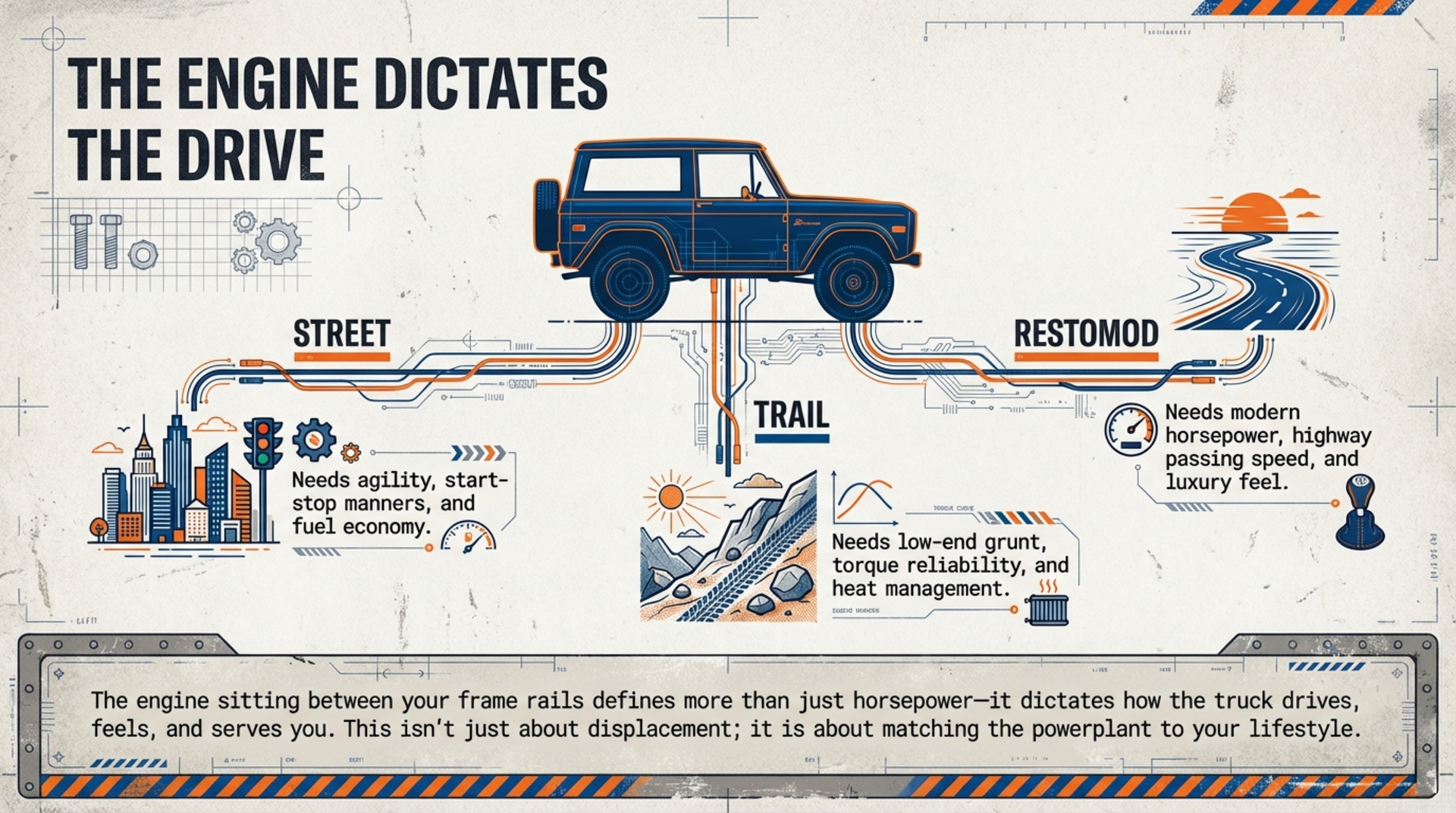
How the engine feels when you drive it matters as much as dyno numbers. Your intended use should guide the decision.
Daily Driver vs Trail Rig vs Modern Restomod
Street driving:
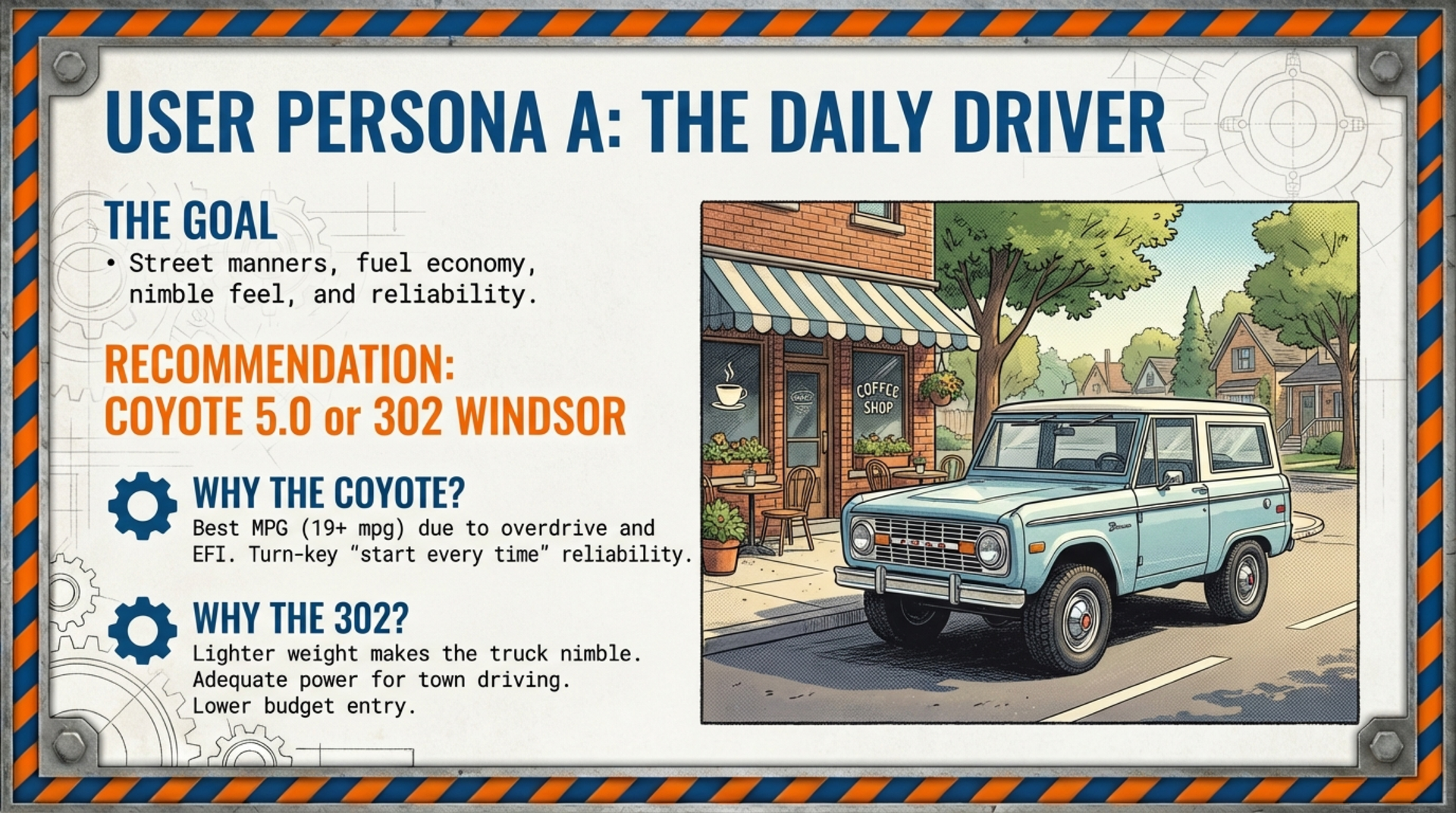
A well-built 302 offers smooth, responsive performance for daily driving. Its lighter weight helps the Bronco feel more nimble around town. Highway cruising is comfortable, and fuel economy tends to be better than a comparable 351W build. The Coyote 5.0 transforms the experience with dramatically more power, instant throttle response from modern fuel injection, and overdrive gearing that makes highway cruising effortless.
Trail and off-road:
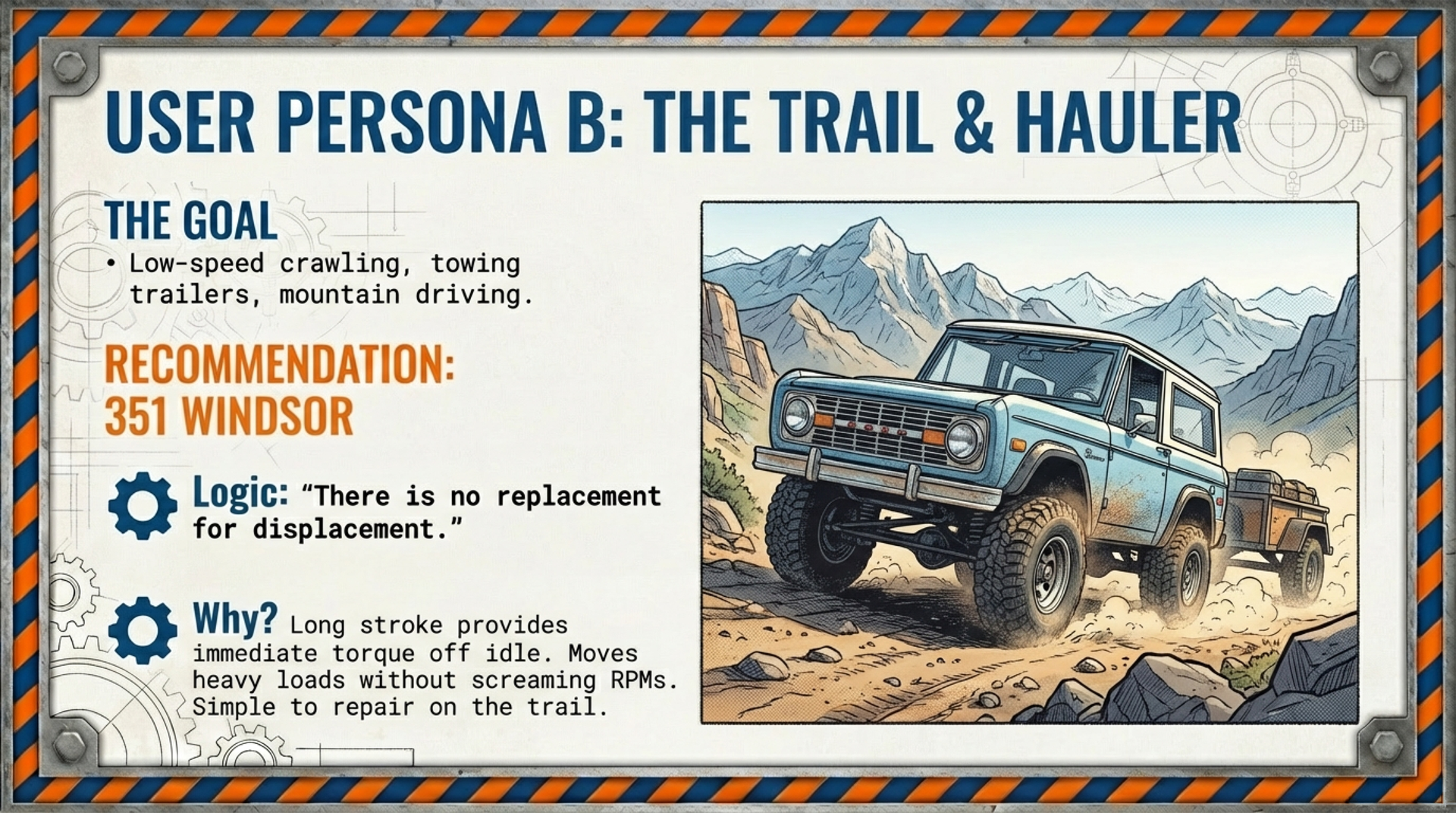
The 351W’s torque advantage becomes valuable here. Low-end torque helps maintain momentum on climbs and provides better control when crawling at low speeds. For traditional off-road builds, added displacement and stroke translate to accessible torque at lower RPM, which is often more valuable than peak horsepower in a 4×4 application. The Coyote 5.0, while peakier than the 351W, offers enough torque across a broad RPM range to be capable off-road, especially when paired with proper gearing. Its modern EFI system handles altitude changes and extreme angles without the stumbling issues that can plague carbureted setups.
Towing and hauling:
If your Bronco will pull a trailer or carry heavy loads, the 351W is the traditional winner. Its torque curve delivers power where you need it without excessive RPM, reducing strain on the engine and improving cooling. The Coyote 5.0, however, offers even more torque and power for heavy loads, with the added benefit of modern transmission gearing that optimizes pulling performance across all speeds.
Heat management:
The 351W produces more heat due to larger displacement, while the Coyote 5.0’s aluminum construction and modern cooling design help manage heat effectively. This isn’t a problem if your cooling system is up to spec, but budget for a quality radiator, fan, and possibly an upgraded water pump if you live in hot climates or run high-compression builds.
Fuel economy:
The Coyote 5.0 leads here. In modern F-150 applications, the Coyote benefits from advanced fuel control and overdrive gearing. In an Early Bronco, real-world mileage depends more on gearing, tire size, weight, and aerodynamics than engine choice alone. In stock form, the 302 typically achieves better fuel economy than a 351W due to smaller displacement. However, with proper tuning and gearing, differences shrink between traditional engines—especially when driven conservatively.
Sound and feel:
Subjective, but worth noting. The 351W typically has a deeper exhaust note due to the longer stroke and larger displacement. The 302 has a lighter, more responsive feel. The Coyote 5.0 delivers a distinctive high-winding sound characteristic of DOHC engines, with a broader power band that feels more eager and responsive than traditional pushrod engines.
Engine Decision Guide
| Your Priority | Best Choice | Why |
|---|---|---|
| Budget-conscious build | 302 | Lower parts cost, adequate power for street use |
| Maximum low-end torque | 351W | Longer stroke produces torque ~1,000 RPM lower |
| Best fuel economy | Coyote 5.0 | Modern EFI and overdrive transmission |
| Towing or heavy loads | Coyote 5.0 | Highest overall towing performance; 351W remains strong for low-RPM torque in traditional setups |
| Daily driver use | 302 or Coyote 5.0 | 302 for budget, Coyote for modern experience |
| Serious off-road use | 351W | Torque-on-demand for crawling and climbing |
| High-performance goals | Coyote 5.0 | 400+ HP from the factory, huge upgrade potential |
| Street machine with occasional trails | 302 | Balanced performance, lower cost |
| Modern restomod | Coyote 5.0 | Unmatched combination of power and technology |
| Overlanding/long-distance travel | Coyote 5.0 | Strong range potential, reliability, and comfort with modern drivability |
Making Your Decision
The right choice depends on your specific goals, budget, and intended use.
Which Engine Fits Your Build?
Here’s a framework for deciding:
302 Windsor:
- Your Bronco is primarily a street vehicle with occasional trail use
- You’re working with a tighter budget
- You appreciate the simplicity of a traditional pushrod build
- Your power goals are moderate (250-300 horsepower)
- You want a lighter, more responsive feel around town
- You value original-style aesthetics under the hood
351W Windsor:
- Your Bronco sees significant off-road use or trail duty
- You plan to tow or haul heavy loads
- You want strong low-end torque without high-RPM operation
- Your power goals are higher (300-400 horsepower)
- You live in mountainous terrain where climbing power matters
- You value torque-on-demand over peak horsepower numbers
- Your budget allows for the slightly higher build cost than a 302
Coyote 5.0:
- You want 400+ horsepower with modern reliability
- A high-performance restomod is your goal
- You value modern fuel injection, reliability, and drivability
- You want the best fuel economy and power combination
- You’re comfortable with more complex installation (wiring, computer)
- You’re building a showcase vehicle with modern technology
- Your budget allows for a complete turnkey conversion package
Reality check: All three engines are excellent choices in the right application. The 302 and 351W represent proven, cost-effective solutions for traditional builds. The Coyote 5.0 delivers modern performance that traditional engines can only approach with significant investment.
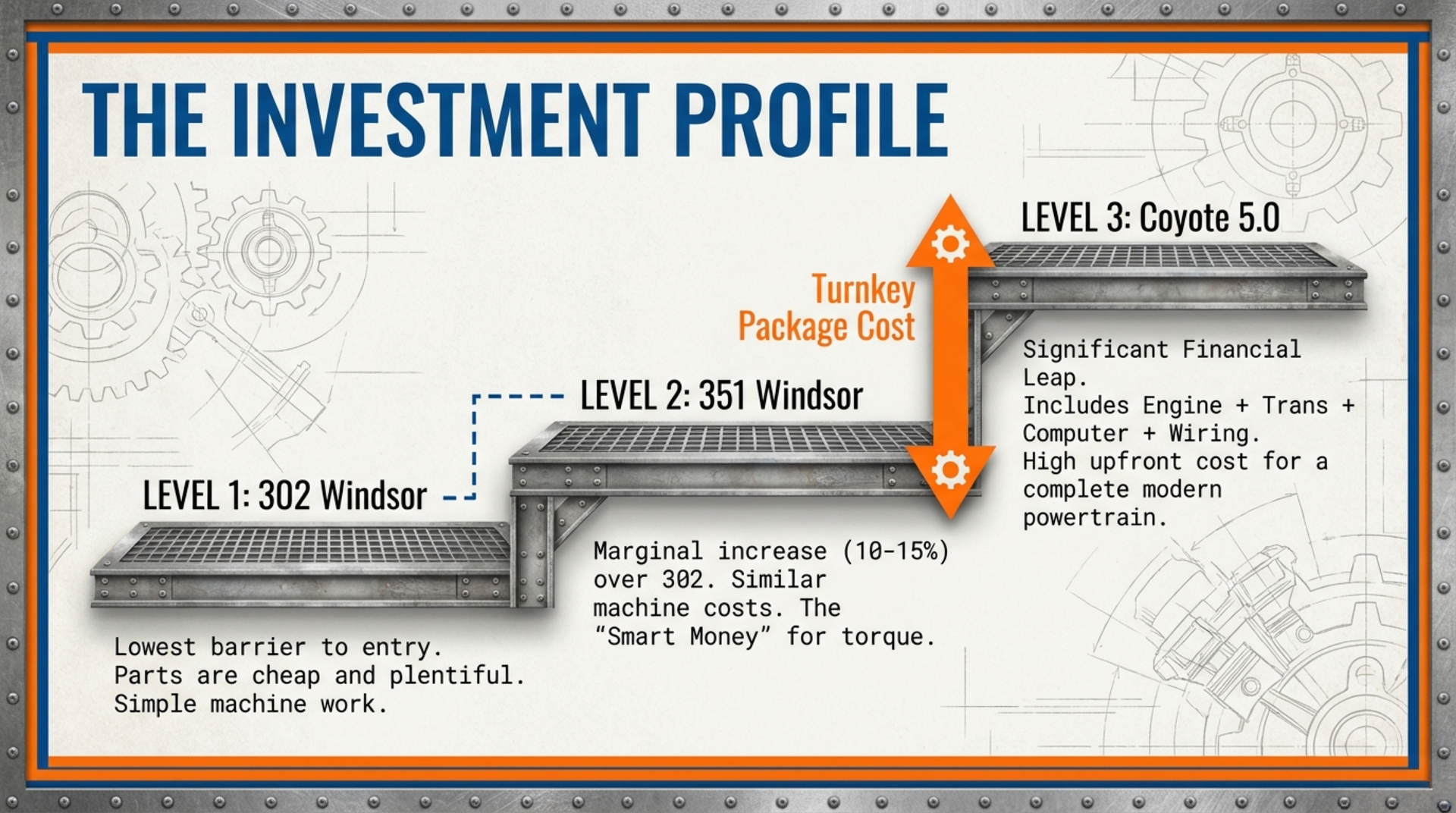
As MotorTrend notes about Coyote swaps: “The Coyote engine, known for its impressive 412 hp and modern DOHC design, is increasingly popular for engine swaps due to its performance advantages over older pushrod engines”. TD Motion’s conversion packages demonstrate that complete Coyote swaps are now turnkey solutions for Early Broncos, making modern power accessible without custom fabrication.
ASC 4×4 works with clients on all three engine choices, taking a standards-first approach. We evaluate your goals, budget, and how you’ll actually use the truck, then recommend the engine that fits—not the one with the biggest number on the spec sheet. A 302 built correctly for your use case is better than a 351W built wrong for it, and a Coyote 5.0 installed professionally delivers unmatched performance and reliability for those who want it.
Engine choice matters. Get expert guidance on your Bronco’s power plant.
asc4x4.com | (310) 396-6341
Sources:
- https://classicbroncos.com/forums/threads/302-vs-351w.223228
- https://tomsoffroad.com/blogs/education/basic-tips-for-planning-your-classic-ford-bronco-restoration
- https://www.motortrend.com/how-to/1601-dropping-a-coyote-crate-engine-into-vintage-bronco